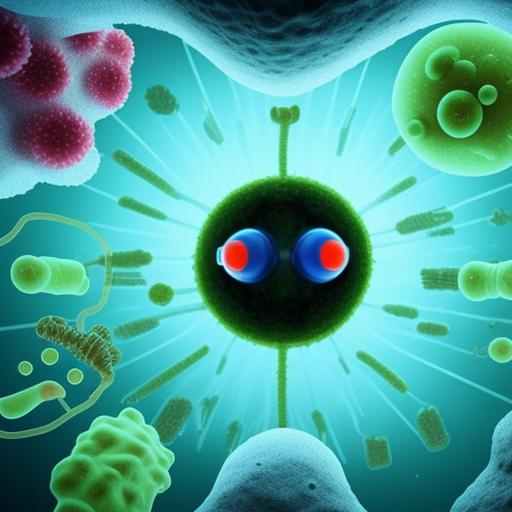
In the face of escalating drug-resistant infections, commonly referred to as superbugs, a critical threat to global health has been identified. Recent research has unveiled a significant vulnerability in these pathogens, dubbed the 'Achilles heel' of superbugs. This breakthrough heralds the possibility of innovative treatment strategies, a beacon of hope in the battle against antibiotic resistance. The escalating nature of antibiotic resistance necessitates an immediate and proactive response, underscoring the urgency of this issue. The revelation of this vulnerability could be instrumental in fortifying public health, highlighting the importance of leveraging this knowledge effectively.
Key Takeaways
The discovery of an 'Achilles heel' in superbugs represents a significant advancement in the fight against antibiotic resistance.
Drug-resistant infections pose a growing threat to healthcare systems globally.
Potential new treatment strategies could emerge from understanding superbugs' vulnerabilities.
Addressing antibiotic resistance is critical for public health safety.
Collaboration among scientists is essential for developing effective solutions to combat superbugs.
The Rise of Superbugs
The advent of antibiotic-resistant bacteria heralds a critical juncture in global health discourse. The proliferation of superbugs presents formidable hurdles to contemporary medical practices, largely attributed to the indiscriminate and excessive application of antibiotics. This development necessitates a profound comprehension of drug resistance and its far-reaching repercussions on public health.
Understanding Drug Resistance
Drug resistance arises from diverse mechanisms, including genetic mutations within bacteria and the phenomenon of horizontal gene transfer. These biological processes facilitate rapid bacterial evolution, rendering conventional treatments ineffectual. The alarming trend of infections attributed to antibiotic-resistant strains complicates both diagnosis and treatment methodologies.
Statistics on Superbug Infections
Global health data vividly illustrate the gravity of the superbug crisis. Reports indicate that approximately 700,000 individuals perish annually due to infections caused by antibiotic-resistant bacteria. Projections foresee a drastic increase to 10 million fatalities by 2050, absent of decisive interventions. These statistics underscore the imperative for holistic strategies to counteract the superbug menace.
Killing Drug-Resistant Infections: Scientists Identify ‘Achilles Heel’ of Superbugs
Recent breakthroughs in the fight against drug-resistant infections have marked a significant shift. Researchers have identified a critical vulnerability in resistant bacterial strains, dubbed the Achilles heel of superbugs. This discovery holds immense promise, potentially revolutionizing treatment strategies and opening new avenues for combating these pathogens.

What is the 'Achilles Heel'?
The identified Achilles heel pertains to a specific structural weakness in certain superbugs. Scientists aim to leverage this vulnerability to develop targeted treatments. These treatments aim to impede the bacteria's resistance to conventional antibiotics, marking a critical step towards overcoming drug development hurdles.
Importance of This Discovery
This research breakthrough highlights the imperative need for an effective response to the escalating threat of drug-resistant infections. The findings are seen as a beacon of hope, enabling a more strategic approach to treating infections that have long challenged healthcare systems globally. The insights into the Achilles heel of superbugs empower the medical community to innovate and devise more effective solutions for these persistent infections.
How Scientists Conducted Their Research
The exploration into the realm of superbugs necessitates an in-depth examination of the methodologies employed by researchers. The escalating menace of drug-resistant bacteria heightens the significance of these investigations. Each phase of the research endeavors to elucidate the mechanisms through which superbugs circumvent conventional treatments.
Research Methodology
An advanced combination of genomic sequencing and protein analysis techniques was employed by the research team. This cutting-edge methodology enabled a thorough investigation into the proteins linked to superbugs. By pinpointing specific vulnerabilities in these proteins, scientists were able to effectively manipulate bacterial cells. This detailed laboratory approach shed light on the operational dynamics of superbugs and their drug resistance capabilities.
Key Findings from Laboratory Tests
The laboratory experiments yielded profound insights into drug resistance, unveiling avenues for counteracting these potent pathogens. It was observed that targeting specific vulnerabilities in bacterial structures could weaken their defenses. This discovery holds promise for revitalizing the efficacy of existing antibiotics, presenting a glimmer of hope in the relentless fight against superbugs.
The Mechanism Behind Superbugs
Grasping the mechanisms driving superbug evolution is critical for addressing the formidable challenges posed by antibiotic resistance. These microscopic entities adapt with alacrity, largely due to genetic mutations. The primary drivers of this rapid evolution include the overutilization of antibiotics in medical and agricultural contexts, fostering an environment conducive to the proliferation of resistant bacteria.
How Superbugs Evolve
Superbugs evolve through several key processes, predominantly involving:
Genetic mutations: Random alterations to bacterial DNA can precipitate resistance.
Horizontal gene transfer: Bacteria can acquire resistance genes from other bacteria, significantly contributing to superbug evolution.
Selection pressure: The pervasive use of antibiotics selects for bacteria with specific resistance mechanisms, enabling them to thrive despite antibiotic presence.
Impact on Traditional Antibiotics
The advent of superbugs poses grave implications for traditional antibiotics. Many erstwhile effective treatment options now falter against newly evolved resistant strains. The bacteria's ability to develop resistance mechanisms hampers our capacity to effectively treat infections, leading to prolonged hospital stays and elevated mortality rates. This evolving scenario necessitates immediate research and innovative strategies to counter the escalating threat of superbugs.
Novel Strategies to Combat Superbugs
The ongoing struggle against superbugs necessitates the adoption of cutting-edge methodologies, aimed at exploiting the inherent vulnerabilities of these formidable pathogens. Through an in-depth exploration of microbial genetics and behavior, researchers are crafting novel antimicrobial strategies. These innovations signify a paradigm shift in medical treatment modalities, holding promise for efficacious solutions to the formidable challenges posed by drug-resistant infections.
Targeting Bacterial Weaknesses
Investigations into bacterial vulnerabilities are paving the way for groundbreaking treatments. By pinpointing specific traits susceptible to exploitation, scientists aim to devise therapies that systematically erode bacterial defenses. This endeavor encompasses the exploration of:
Antibody therapy to neutralize harmful bacteria.
Bacteriophage therapy utilizing viruses that selectively target bacterial cells.
Biofilm disruption aimed at breaching bacteria's protective environments.
Innovations in Antimicrobial Treatments
The current landscape of antimicrobial treatments is undergoing a transformative evolution. The development of new antibiotic classes and other therapeutic modalities underlines the significance of a multifaceted approach. Key areas of focus include:

Combination therapies designed to augment the efficacy of existing antibiotics.
Adjuvant therapies intended to enhance the activity of conventional medications.
Next-generation antibiotics that target resistant bacteria with unparalleled precision.
The Role of Technology in Fighting Infections
In the ongoing battle against superbugs, technology in medicine plays a critical role in refining our strategies and treatments. Scientific innovations are revolutionizing our comprehension and combat of drug-resistant infections. Two significant advancements in this domain include genetic engineering and artificial intelligence.
Advancements in Genetic Engineering
Genetic engineering advancements have introduced novel methodologies for modifying the genomes of bacteria. Researchers can now target specific genes that contribute to drug resistance, enabling the development of tailored treatments that can outsmart superbugs. This precise manipulation of genetic materials not only aids in combating infections but also promises the creation of vaccines that could prevent these infections from occurring in the first place.
Artificial Intelligence in Drug Development
AI in drug development is making significant strides by streamlining the drug discovery process. Advanced algorithms can process and analyze vast amounts of biological data, identifying prospective compounds faster than traditional methods. By predicting how different substances might interact with bacteria, AI accelerates the timeline from research to reliable treatments, significantly improving our capacity to respond to emerging superbug threats.
Global Implications of Superbug Research
The advent of superbugs heralds a plethora of challenges transcending immediate healthcare domains. These challenges encompass substantial economic repercussions, affecting not only individual health but also the fiscal stability of nations. The imperative for efficacious countermeasures is underscored by these far-reaching implications.
The Economic Burden of Drug-Resistant Infections
Drug-resistant infections exact a formidable toll on healthcare systems and global economies. Projections indicate that the economic costs of superbugs could surpass $1 trillion annually, underscoring the imperative for proactive interventions. These costs stem from elevated hospitalization rates, prolonged treatment durations, and the necessity for costlier alternative therapies. The resultant economic strain imperils public health resources and compromises patient care.
International Collaboration in Medical Research
Confronting the global health challenges posed by superbugs necessitates unprecedented international cooperation in medical research. Through the sharing of data, resources, and expertise, nations can collectively combat this public health menace. Initiatives fostering global partnerships facilitate the development of innovative solutions and equitable access to novel treatments. Such collaborative efforts engender a unified front, significantly bolstering the fight against superbugs.
The Future of Antibiotic Development
The evolution of antibiotic development has undergone a paradigm shift. The imperative for innovative strategies to combat the escalating threat of drug-resistant bacteria is evident. Several antibiotic development challenges impede progress, including financial hurdles and the complex nature of bacterial resistance mechanisms.
Challenges in Creating New Antibiotics
Grasping the complexities of creating new antibiotics is fundamental. The financial environment for pharmaceutical entities has undergone a significant transformation, with many companies hesitant to invest in research and development. The intricacies of bacterial resistance mechanisms further complicate the scenario, necessitating prolonged research and development periods that may not promise immediate financial returns. This scenario results in increased healthcare expenditures and extended hospital stays, underscoring the critical need for effective solutions.
Potential Breakthroughs on the Horizon
Despite the obstacles in antibiotic development, several groundbreaking drug discovery breakthroughs are on the horizon. Research endeavors are centered on novel compounds and methodologies that target specific bacterial growth pathways. The exploration of alternative treatment modalities, such as bacteriophage therapy and combination therapies, is also underway. The collective effort of scientists, healthcare professionals, and policymakers is vital for driving innovation in the future of antibiotics.
Patient Safety and Superbug Awareness
The imperative to safeguard oneself against drug-resistant infections is a cornerstone of patient safety. The awareness of superbugs and their inherent risks is a potent tool for empowerment, fostering a proactive stance in infection prevention. By acknowledging one's role in this endeavor, the perils associated with superbug infections can be significantly diminished.
How You Can Protect Yourself
Several measures can be undertaken to bolster one's defenses against infections:
Adherence to rigorous hygiene practices, including the routine washing of hands.
Acquisition of knowledge regarding the judicious application of antibiotics.
Ensuring the up-to-date status of vaccinations.
Assertiveness in advocating for one's health within healthcare environments.
Understanding Risks in Healthcare Settings
Healthcare settings are often hotspots for infection, exacerbated by the presence of superbugs. Key factors contributing to these risks include:
Enhanced vulnerability to invasive procedures.
Extended durations of hospitalization or residence in care facilities.
Higher prevalence of antibiotic-resistant bacteria.
Policy Recommendations for Governments
The escalating menace of superbugs necessitates a multifaceted governmental response, encompassing rigorous regulation and substantial funding allocations. Such measures are imperative for advancing the global crusade against antibiotic resistance.
Funding for Research Initiatives
Enhanced financial support for medical research is vital for the creation of novel antibiotics and alternative therapeutic modalities. Governments must dedicate fiscal resources to both public and private sectors, facilitating investments in pioneering research aimed at combating antibiotic resistance. This financial backing should underpin both foundational scientific inquiry and practical applications, ensuring a continuous flow of innovative treatments. The establishment of synergistic collaborations between academia, industry, and governmental entities is also essential, promoting the efficient allocation of resources through collaborative endeavors.
Regulation of Antibiotic Use
Adoption of stringent antibiotic regulation is indispensable to mitigate the scourge of misuse and over-prescription. Governments must enforce policies that curtail antibiotic application in agricultural and healthcare contexts. Such regulations should entail the monitoring of prescription patterns and the promotion of antibiotic administration guidelines. The implementation of definitive protocols and educational campaigns will motivate healthcare professionals to adhere to optimal practices. Concurrently, public enlightenment initiatives are critical in instilling consumer understanding of the criticality of judicious antibiotic utilization.
Real-Life Case Studies of Superbug Infections
An examination of real-life case studies on superbugs unveils profound insights into the repercussions of drug-resistant infections on both patients and healthcare infrastructures. These narratives illuminate the critical nature of comprehending the challenges and triumphs in managing these crises.
Notable Cases and Their Outcomes
Several instances stand out, exemplifying the gravity and far-reaching consequences of superbug infections. A notable case involves a patient afflicted with methicillin-resistant Staphylococcus aureus (MRSA). The resultant infection necessitated prolonged hospitalization and the implementation of aggressive therapeutic measures. Through extensive antibiotic treatment, the patient's health began to recover, underscoring the efficacy of interventions in the face of resistance.
Another significant case revolves around a young child battling an infection with carbapenem-resistant Enterobacteriaceae (CRE). The community's collective response facilitated a multifaceted treatment regimen, integrating the most advanced therapeutic approaches. Miraculously, the child's recovery serves as a testament to the efficacy of collaborative efforts among medical professionals and the indispensable role of public support.
Lessons Learned from Superbug Battlegrounds
These instances convey vital lessons from superbug crises, essential for shaping future healthcare strategies. Key insights include:
Timely identification and diagnosis of infections can substantially enhance treatment efficacy.
Collaborative care among healthcare professionals significantly improves the management of complex cases.
Public awareness and community support are indispensable for patient recovery.
Ongoing research into novel antibiotics and treatment modalities is imperative for combating superbugs.
Delving into these case studies on superbugs offers a deeper comprehension of the outcomes of drug-resistant infections. The insights gleaned will undoubtedly guide efforts to diminish the impact of superbugs in forthcoming medical challenges.
Community Action and Education
The struggle against drug-resistant infections necessitates a concerted effort from community action and education. Public awareness campaigns are instrumental in disseminating knowledge on the judicious application of antibiotics and the significance of hygiene practices. Through collective action, communities foster an environment of vigilance, equipping their members with the necessary tools to counter antimicrobial resistance.
The Importance of Public Awareness Campaigns
Public awareness campaigns act as a conduit to enlighten the populace regarding the perils of superbugs. They underscore the consequences of antibiotic overuse and misuse, cultivating a culture of prudence among the masses. Leveraging diverse media platforms, including social media, community workshops, and printed materials, these campaigns aim to broaden their reach.
How Communities Can Get Involved
Community participation is vital in forging a collective defense against superbugs. Here are some concrete measures:
Initiate local health initiatives to educate residents on the correct use of antibiotics.
Support research endeavors through fundraising or volunteer activities.
Stimulate community dialogue on the perils of drug-resistant infections.
By implementing these strategies, you contribute to an enhanced awareness and participation in addressing this critical public health challenge.
Conclusion
The struggle against superbugs transcends mere medical adversity, embodying a profound threat to global health necessitating our urgent engagement. As antibiotic resistance escalates, understanding the mechanisms behind superbug evolution and resistance acquisition becomes imperative. The advent of cutting-edge research, bolstered by technological progress, heralds a beacon of hope. It promises to unveil antibiotic resistance solutions capable of effectively combating these resilient pathogens.
Through the cultivation of international cooperation, we can expedite the creation of groundbreaking treatments. These innovations will significantly alter our fight against drug-resistant infections. Your participation in this endeavor is indispensable—through heightened awareness and proactive engagement, communities can make a substantial contribution. This collective endeavor is critical for shaping the future of healthcare, ensuring a safer, healthier environment for all.
The trajectory forward necessitates a holistic strategy, merging rigorous research endeavors with prudent public policies. It demands your active participation in dialogues regarding antibiotic stewardship and the promotion of responsible practices. Such efforts are vital to preserve the efficacy of current medications and to foster innovative solutions that may extricate us from this predicament.
FAQ
What are superbugs and why are they considered a threat?
Superbugs are bacterial strains exhibiting resistance to multiple antibiotics, rendering them challenging to treat. Their increasing prevalence constitutes a substantial threat to public health, as they contribute to severe, often untreatable drug-resistant infections.
How do superbugs develop antibiotic resistance?
Superbugs develop antibiotic resistance mainly through genetic mutations and the acquisition of resistance genes. This occurs due to the overuse and misuse of antibiotics in healthcare and agriculture.
What is the 'Achilles heel' of superbugs?
The 'Achilles heel' denotes a specific vulnerability in the cellular structure of certain superbugs identified by researchers. Targeting this weakness could lead to the development of new antibiotics capable of effectively killing these resilient bacteria.
How are scientists researching new treatments for superbugs?
Scientists employ advanced techniques, including genomic sequencing and laboratory tests, to understand superbug proteins and their vulnerabilities. By manipulating bacterial cells, they aim to confirm the presence of their specific weaknesses for therapeutic interventions.
What advancements are being made in technology to combat superbugs?
Cutting-edge technologies such as genetic engineering and artificial intelligence are revolutionizing the fight against superbugs. These advancements enable precise modifications of bacterial genomes and the analysis of vast datasets to accelerate drug discovery.

Why is international collaboration important in the fight against superbugs?
International collaboration is essential as the economic burden of drug-resistant infections impacts global health. By sharing knowledge and resources, researchers and governments can collectively work towards effective solutions and equitable access to new treatments.
What can individuals do to protect themselves from superbugs?
Individuals can enhance their safety by practicing good hygiene, staying informed about antibiotic usage, and being aware of risks associated with healthcare settings where the infection risk may be higher.
What role do government policies play in addressing antibiotic resistance?
Government policies must focus on funding for medical research on antibiotic resistance and implementing regulations to ensure responsible antibiotic use. This will support ongoing efforts to combat the rise of superbugs effectively.
How can communities become involved in the fight against superbugs?
CommunitieScientists Identify 'Achilles Heel' to Defeat Superbugs
In the face of escalating drug-resistant infections, commonly referred to as superbugs, a critical threat to global health has been identified. Recent research has unveiled a significant vulnerability in these pathogens, dubbed the 'Achilles heel' of superbugs. This breakthrough heralds the possibility of innovative treatment strategies, a beacon of hope in the battle against antibiotic resistance. The escalating nature of antibiotic resistance necessitates an immediate and proactive response, underscoring the urgency of this issue. The revelation of this vulnerability could be instrumental in fortifying public health, highlighting the importance of leveraging this knowledge effectively.
Key Takeaways
The discovery of an 'Achilles heel' in superbugs represents a significant advancement in the fight against antibiotic resistance.
Drug-resistant infections pose a growing threat to healthcare systems globally.
Potential new treatment strategies could emerge from understanding superbugs' vulnerabilities.
Addressing antibiotic resistance is critical for public health safety.
Collaboration among scientists is essential for developing effective solutions to combat superbugs.
The Rise of Superbugs
The advent of antibiotic-resistant bacteria heralds a critical juncture in global health discourse. The proliferation of superbugs presents formidable hurdles to contemporary medical practices, largely attributed to the indiscriminate and excessive application of antibiotics. This development necessitates a profound comprehension of drug resistance and its far-reaching repercussions on public health.
Understanding Drug Resistance
Drug resistance arises from diverse mechanisms, including genetic mutations within bacteria and the phenomenon of horizontal gene transfer. These biological processes facilitate rapid bacterial evolution, rendering conventional treatments ineffectual. The alarming trend of infections attributed to antibiotic-resistant strains complicates both diagnosis and treatment methodologies.
Statistics on Superbug Infections
Global health data vividly illustrate the gravity of the superbug crisis. Reports indicate that approximately 700,000 individuals perish annually due to infections caused by antibiotic-resistant bacteria. Projections foresee a drastic increase to 10 million fatalities by 2050, absent of decisive interventions. These statistics underscore the imperative for holistic strategies to counteract the superbug menace.
Killing Drug-Resistant Infections: Scientists Identify ‘Achilles Heel’ of Superbugs
Recent breakthroughs in the fight against drug-resistant infections have marked a significant shift. Researchers have identified a critical vulnerability in resistant bacterial strains, dubbed the Achilles heel of superbugs. This discovery holds immense promise, potentially revolutionizing treatment strategies and opening new avenues for combating these pathogens.
What is the 'Achilles Heel'?
The identified Achilles heel pertains to a specific structural weakness in certain superbugs. Scientists aim to leverage this vulnerability to develop targeted treatments. These treatments aim to impede the bacteria's resistance to conventional antibiotics, marking a critical step towards overcoming drug development hurdles.
Importance of This Discovery
This research breakthrough highlights the imperative need for an effective response to the escalating threat of drug-resistant infections. The findings are seen as a beacon of hope, enabling a more strategic approach to treating infections that have long challenged healthcare systems globally. The insights into the Achilles heel of superbugs empower the medical community to innovate and devise more effective solutions for these persistent infections.
How Scientists Conducted Their Research
The exploration into the realm of superbugs necessitates an in-depth examination of the methodologies employed by researchers. The escalating menace of drug-resistant bacteria heightens the significance of these investigations. Each phase of the research endeavors to elucidate the mechanisms through which superbugs circumvent conventional treatments.
Research Methodology
An advanced combination of genomic sequencing and protein analysis techniques was employed by the research team. This cutting-edge methodology enabled a thorough investigation into the proteins linked to superbugs. By pinpointing specific vulnerabilities in these proteins, scientists were able to effectively manipulate bacterial cells. This detailed laboratory approach shed light on the operational dynamics of superbugs and their drug resistance capabilities.
Key Findings from Laboratory Tests
The laboratory experiments yielded profound insights into drug resistance, unveiling avenues for counteracting these potent pathogens. It was observed that targeting specific vulnerabilities in bacterial structures could weaken their defenses. This discovery holds promise for revitalizing the efficacy of existing antibiotics, presenting a glimmer of hope in the relentless fight against superbugs.
The Mechanism Behind Superbugs
Grasping the mechanisms driving superbug evolution is critical for addressing the formidable challenges posed by antibiotic resistance. These microscopic entities adapt with alacrity, largely due to genetic mutations. The primary drivers of this rapid evolution include the overutilization of antibiotics in medical and agricultural contexts, fostering an environment conducive to the proliferation of resistant bacteria.
How Superbugs Evolve
Superbugs evolve through several key processes, predominantly involving:
Genetic mutations: Random alterations to bacterial DNA can precipitate resistance.
Horizontal gene transfer: Bacteria can acquire resistance genes from other bacteria, significantly contributing to superbug evolution.
Selection pressure: The pervasive use of antibiotics selects for bacteria with specific resistance mechanisms, enabling them to thrive despite antibiotic presence.
Impact on Traditional Antibiotics
The advent of superbugs poses grave implications for traditional antibiotics. Many erstwhile effective treatment options now falter against newly evolved resistant strains. The bacteria's ability to develop resistance mechanisms hampers our capacity to effectively treat infections, leading to prolonged hospital stays and elevated mortality rates. This evolving scenario necessitates immediate research and innovative strategies to counter the escalating threat of superbugs.
Novel Strategies to Combat Superbugs
The ongoing struggle against superbugs necessitates the adoption of cutting-edge methodologies, aimed at exploiting the inherent vulnerabilities of these formidable pathogens. Through an in-depth exploration of microbial genetics and behavior, researchers are crafting novel antimicrobial strategies. These innovations signify a paradigm shift in medical treatment modalities, holding promise for efficacious solutions to the formidable challenges posed by drug-resistant infections.
Targeting Bacterial Weaknesses
Investigations into bacterial vulnerabilities are paving the way for groundbreaking treatments. By pinpointing specific traits susceptible to exploitation, scientists aim to devise therapies that systematically erode bacterial defenses. This endeavor encompasses the exploration of:
Antibody therapy to neutralize harmful bacteria.
Bacteriophage therapy utilizing viruses that selectively target bacterial cells.
Biofilm disruption aimed at breaching bacteria's protective environments.
Innovations in Antimicrobial Treatments
The current landscape of antimicrobial treatments is undergoing a transformative evolution. The development of new antibiotic classes and other therapeutic modalities underlines the significance of a multifaceted approach. Key areas of focus include:
Combination therapies designed to augment the efficacy of existing antibiotics.
Adjuvant therapies intended to enhance the activity of conventional medications.
Next-generation antibiotics that target resistant bacteria with unparalleled precision.
The Role of Technology in Fighting Infections
In the ongoing battle against superbugs, technology in medicine plays a critical role in refining our strategies and treatments. Scientific innovations are revolutionizing our comprehension and combat of drug-resistant infections. Two significant advancements in this domain include genetic engineering and artificial intelligence.
Advancements in Genetic Engineering
Genetic engineering advancements have introduced novel methodologies for modifying the genomes of bacteria. Researchers can now target specific genes that contribute to drug resistance, enabling the development of tailored treatments that can outsmart superbugs. This precise manipulation of genetic materials not only aids in combating infections but also promises the creation of vaccines that could prevent these infections from occurring in the first place.
Artificial Intelligence in Drug Development
AI in drug development is making significant strides by streamlining the drug discovery process. Advanced algorithms can process and analyze vast amounts of biological data, identifying prospective compounds faster than traditional methods. By predicting how different substances might interact with bacteria, AI accelerates the timeline from research to reliable treatments, significantly improving our capacity to respond to emerging superbug threats.
Global Implications of Superbug Research
The advent of superbugs heralds a plethora of challenges transcending immediate healthcare domains. These challenges encompass substantial economic repercussions, affecting not only individual health but also the fiscal stability of nations. The imperative for efficacious countermeasures is underscored by these far-reaching implications.
The Economic Burden of Drug-Resistant Infections
Drug-resistant infections exact a formidable toll on healthcare systems and global economies. Projections indicate that the economic costs of superbugs could surpass $1 trillion annually, underscoring the imperative for proactive interventions. These costs stem from elevated hospitalization rates, prolonged treatment durations, and the necessity for costlier alternative therapies. The resultant economic strain imperils public health resources and compromises patient care.
International Collaboration in Medical Research
Confronting the global health challenges posed by superbugs necessitates unprecedented international cooperation in medical research. Through the sharing of data, resources, and expertise, nations can collectively combat this public health menace. Initiatives fostering global partnerships facilitate the development of innovative solutions and equitable access to novel treatments. Such collaborative efforts engender a unified front, significantly bolstering the fight against superbugs.
The Future of Antibiotic Development
The evolution of antibiotic development has undergone a paradigm shift. The imperative for innovative strategies to combat the escalating threat of drug-resistant bacteria is evident. Several antibiotic development challenges impede progress, including financial hurdles and the complex nature of bacterial resistance mechanisms.
Challenges in Creating New Antibiotics
Grasping the complexities of creating new antibiotics is fundamental. The financial environment for pharmaceutical entities has undergone a significant transformation, with many companies hesitant to invest in research and development. The intricacies of bacterial resistance mechanisms further complicate the scenario, necessitating prolonged research and development periods that may not promise immediate financial returns. This scenario results in increased healthcare expenditures and extended hospital stays, underscoring the critical need for effective solutions.
Potential Breakthroughs on the Horizon
Despite the obstacles in antibiotic development, several groundbreaking drug discovery breakthroughs are on the horizon. Research endeavors are centered on novel compounds and methodologies that target specific bacterial growth pathways. The exploration of alternative treatment modalities, such as bacteriophage therapy and combination therapies, is also underway. The collective effort of scientists, healthcare professionals, and policymakers is vital for driving innovation in the future of antibiotics.
Patient Safety and Superbug Awareness
The imperative to safeguard oneself against drug-resistant infections is a cornerstone of patient safety. The awareness of superbugs and their inherent risks is a potent tool for empowerment, fostering a proactive stance in infection prevention. By acknowledging one's role in this endeavor, the perils associated with superbug infections can be significantly diminished.
How You Can Protect Yourself
Several measures can be undertaken to bolster one's defenses against infections:
Adherence to rigorous hygiene practices, including the routine washing of hands.
Acquisition of knowledge regarding the judicious application of antibiotics.
Ensuring the up-to-date status of vaccinations.
Assertiveness in advocating for one's health within healthcare environments.
Understanding Risks in Healthcare Settings
Healthcare settings are often hotspots for infection, exacerbated by the presence of superbugs. Key factors contributing to these risks include:
Enhanced vulnerability to invasive procedures.
Extended durations of hospitalization or residence in care facilities.
Higher prevalence of antibiotic-resistant bacteria.
Policy Recommendations for Governments
The escalating menace of superbugs necessitates a multifaceted governmental response, encompassing rigorous regulation and substantial funding allocations. Such measures are imperative for advancing the global crusade against antibiotic resistance.
Funding for Research Initiatives
Enhanced financial support for medical research is vital for the creation of novel antibiotics and alternative therapeutic modalities. Governments must dedicate fiscal resources to both public and private sectors, facilitating investments in pioneering research aimed at combating antibiotic resistance. This financial backing should underpin both foundational scientific inquiry and practical applications, ensuring a continuous flow of innovative treatments. The establishment of synergistic collaborations between academia, industry, and governmental entities is also essential, promoting the efficient allocation of resources through collaborative endeavors.
Regulation of Antibiotic Use
Adoption of stringent antibiotic regulation is indispensable to mitigate the scourge of misuse and over-prescription. Governments must enforce policies that curtail antibiotic application in agricultural and healthcare contexts. Such regulations should entail the monitoring of prescription patterns and the promotion of antibiotic administration guidelines. The implementation of definitive protocols and educational campaigns will motivate healthcare professionals to adhere to optimal practices. Concurrently, public enlightenment initiatives are critical in instilling consumer understanding of the criticality of judicious antibiotic utilization.
Real-Life Case Studies of Superbug Infections
An examination of real-life case studies on superbugs unveils profound insights into the repercussions of drug-resistant infections on both patients and healthcare infrastructures. These narratives illuminate the critical nature of comprehending the challenges and triumphs in managing these crises.
Notable Cases and Their Outcomes
Several instances stand out, exemplifying the gravity and far-reaching consequences of superbug infections. A notable case involves a patient afflicted with methicillin-resistant Staphylococcus aureus (MRSA). The resultant infection necessitated prolonged hospitalization and the implementation of aggressive therapeutic measures. Through extensive antibiotic treatment, the patient's health began to recover, underscoring the efficacy of interventions in the face of resistance.
Another significant case revolves around a young child battling an infection with carbapenem-resistant Enterobacteriaceae (CRE). The community's collective response facilitated a multifaceted treatment regimen, integrating the most advanced therapeutic approaches. Miraculously, the child's recovery serves as a testament to the efficacy of collaborative efforts among medical professionals and the indispensable role of public support.
Lessons Learned from Superbug Battlegrounds
These instances convey vital lessons from superbug crises, essential for shaping future healthcare strategies. Key insights include:
Timely identification and diagnosis of infections can substantially enhance treatment efficacy.
Collaborative care among healthcare professionals significantly improves the management of complex cases.
Public awareness and community support are indispensable for patient recovery.
Ongoing research into novel antibiotics and treatment modalities is imperative for combating superbugs.
Delving into these case studies on superbugs offers a deeper comprehension of the outcomes of drug-resistant infections. The insights gleaned will undoubtedly guide efforts to diminish the impact of superbugs in forthcoming medical challenges.
Community Action and Education
The struggle against drug-resistant infections necessitates a concerted effort from community action and education. Public awareness campaigns are instrumental in disseminating knowledge on the judicious application of antibiotics and the significance of hygiene practices. Through collective action, communities foster an environment of vigilance, equipping their members with the necessary tools to counter antimicrobial resistance.
The Importance of Public Awareness Campaigns
Public awareness campaigns act as a conduit to enlighten the populace regarding the perils of superbugs. They underscore the consequences of antibiotic overuse and misuse, cultivating a culture of prudence among the masses. Leveraging diverse media platforms, including social media, community workshops, and printed materials, these campaigns aim to broaden their reach.
How Communities Can Get Involved
Community participation is vital in forging a collective defense against superbugs. Here are some concrete measures:
Initiate local health initiatives to educate residents on the correct use of antibiotics.
Support research endeavors through fundraising or volunteer activities.
Stimulate community dialogue on the perils of drug-resistant infections.
By implementing these strategies, you contribute to an enhanced awareness and participation in addressing this critical public health challenge.
Conclusion
The struggle against superbugs transcends mere medical adversity, embodying a profound threat to global health necessitating our urgent engagement. As antibiotic resistance escalates, understanding the mechanisms behind superbug evolution and resistance acquisition becomes imperative. The advent of cutting-edge research, bolstered by technological progress, heralds a beacon of hope. It promises to unveil antibiotic resistance solutions capable of effectively combating these resilient pathogens.
Through the cultivation of international cooperation, we can expedite the creation of groundbreaking treatments. These innovations will significantly alter our fight against drug-resistant infections. Your participation in this endeavor is indispensable—through heightened awareness and proactive engagement, communities can make a substantial contribution. This collective endeavor is critical for shaping the future of healthcare, ensuring a safer, healthier environment for all.
The trajectory forward necessitates a holistic strategy, merging rigorous research endeavors with prudent public policies. It demands your active participation in dialogues regarding antibiotic stewardship and the promotion of responsible practices. Such efforts are vital to preserve the efficacy of current medications and to foster innovative solutions that may extricate us from this predicament.
FAQ
What are superbugs and why are they considered a threat?
Superbugs are bacterial strains exhibiting resistance to multiple antibiotics, rendering them challenging to treat. Their increasing prevalence constitutes a substantial threat to public health, as they contribute to severe, often untreatable drug-resistant infections.
How do superbugs develop antibiotic resistance?
Superbugs develop antibiotic resistance mainly through genetic mutations and the acquisition of resistance genes. This occurs due to the overuse and misuse of antibiotics in healthcare and agriculture.
What is the 'Achilles heel' of superbugs?
The 'Achilles heel' denotes a specific vulnerability in the cellular structure of certain superbugs identified by researchers. Targeting this weakness could lead to the development of new antibiotics capable of effectively killing these resilient bacteria.
How are scientists researching new treatments for superbugs?
Scientists employ advanced techniques, including genomic sequencing and laboratory tests, to understand superbug proteins and their vulnerabilities. By manipulating bacterial cells, they aim to confirm the presence of their specific weaknesses for therapeutic interventions.
What advancements are being made in technology to combat superbugs?
Cutting-edge technologies such as genetic engineering and artificial intelligence are revolutionizing the fight against superbugs. These advancements enable precise modifications of bacterial genomes and the analysis of vast datasets to accelerate drug discovery.
Why is international collaboration important in the fight against superbugs?
International collaboration is essential as the economic burden of drug-resistant infections impacts global health. By sharing knowledge and resources, researchers and governments can collectively work towards effective solutions and equitable access to new treatments.
What can individuals do to protect themselves from superbugs?
Individuals can enhance their safety by practicing good hygiene, staying informed about antibiotic usage, and being aware of risks associated with healthcare settings where the infection risk may be higher.
What role do government policies play in addressing antibiotic resistance?
Government policies must focus on funding for medical research on antibiotic resistance and implementing regulations to ensure responsible antibiotic use. This will support ongoing efforts to combat the rise of superbugs effectively.
How can communities become involved in the fight against superbugs?
Communities can engage through public awareness campaigns that educate the public on responsible antibiotic use and hygiene practices. Local initiatives can foster dialogue and motivate collective action against drug-resistant infections.s can engage through public awareness campaigns that educate the public on responsible antibiotic use and hygiene practices. Local initiatives can foster dialogue and motivate collective action against drug-resistant infections.s can engage through public awareness campaigns that educate the public on responsible antibiotic use and hygiene practices. Local initiatives can foster dialogue and motivate collective action against drug-resistant infections.