China Engages with WHO on Respiratory Disease Concerns


China's recent actions show a growing focus on respiratory diseases, with direct communication with the World Health Organization (WHO). This dialogue is critical in tackling major health issues. It underlines the need for better coordination in fighting respiratory diseases, ensuring global health security. This effort is not just about controlling diseases but also about protecting public health globally through a unified strategy. 

Key Takeaways


  • China actively collaborates with the WHO regarding respiratory diseases.
  • The dialogue emphasizes the importance of global health security.
  • Strengthening disease control efforts is a priority for both entities.
  • Proactive engagement is essential in combating emerging health threats.
  • International collaboration enhances public health strategies.

Overview of China's Engagement with WHO

China's partnership with the World Health Organization has seen a notable transformation over time. The collaboration between Beijing and WHO spans a broad spectrum of respiratory health initiatives. This reflects China's increasing acknowledgment of the critical role of global health cooperation. By actively sharing information and prioritizing data transparency, China contributes significantly to international efforts against respiratory diseases.

Regular meetings and discussions between Chinese health officials and WHO representatives highlight a strong partnership. This partnership is essential in tackling public health challenges. It becomes even more critical during recent respiratory disease outbreaks, where the timely exchange of information is vital. Both China and the WHO are dedicated to prioritizing respiratory health globally.

China's engagement in various programs is aimed at bolstering public health systems. These programs focus on improving disease monitoring and response capabilities. This showcases China's deep involvement in global health discussions. China's active participation in international health forums demonstrates its understanding of the interconnected nature of global health issues.

The Role of the World Health Organization in Disease Control

The World Health Organization (WHO) is at the forefront of global disease control efforts. It develops international health guidelines, aiding nations in handling health crises. During pandemics, the WHO leads a unified response, engaging numerous countries to tackle disease outbreaks.

Strengthening health systems is a core WHO responsibility. This is critical during emergencies, as robust systems can drastically lower disease-related deaths. The WHO provides vital resources and guidelines, helping countries craft response strategies that meet international standards.

The WHO also champions international cooperation. In the case of respiratory diseases, sharing information and resources among nations is essential. This cooperation aids immediate responses and sets the stage for future health initiatives, boosting global preparedness.


The WHO's efforts showcase its commitment to global health security. It crafts strong international health guidelines and fosters cooperation, standing as a vital force against public health threats. The organization continually updates its strategies, ensuring countries are ready for current and future health challenges.

Aspect Description
WHO's Role Coordination of international health responses
Guideline Development Establishment of international health guidelines
Health System Strengthening Support for countries during health emergencies
International Collaboration Facilitation of information and resource sharing
Global Preparedness Enhancement of strategies for health threats

China in Contact with WHO on Respiratory Diseases, Says Foreign Ministry

The recent China foreign ministry statements have shed light on the country’s proactive engagement with the World Health Organization regarding respiratory disease challenges. By highlighting the importance of ongoing WHO respiratory disease discussions, officials underscore their commitment to improving health communication across borders. This dialogue not only facilitates information sharing but also serves as a foundation for collaborative health initiatives aimed at mitigating respiratory illnesses.

Official Statements from the Foreign Ministry

The Foreign Ministry's public statements underscore the critical nature of China's partnership with the WHO. Officials have noted that the shared aim is to bolster global health frameworks through transparent communication. Recent briefings have reinforced the importance of strategies that encompass monitoring, prevention, and treatment of respiratory diseases. The ministry asserts that these discussions are vital for aligning China's domestic policies with international health standards and protocols.

Implications for Global Health Policies

China's involvement in WHO discussions marks a significant moment for global health policy implications. The country’s strategies concerning respiratory diseases may influence international guidelines significantly. By contributing to a collective response against such health threats, China sets the stage for a collaborative approach. This could pave the way for future partnerships. The alignment between health communication advancements and established protocols may enhance global readiness and policy formulation in response to pandemics.

Respiratory Diseases of Concern

The landscape of respiratory illnesses in China is complex, with both long-standing and emerging challenges. Common respiratory diseases significantly impact public health, requiring focused efforts for management and prevention. Pneumonia and tuberculosis are prevalent, leading to serious health concerns. Air pollution further complicates these issues.

Types of Respiratory Diseases Impacting China

Significant respiratory illnesses in China include:

  • Pneumonia
  • Tuberculosis
  • Chronic obstructive pulmonary disease (COPD)
  • Asthma

These diseases lead to a high number of hospitalizations and fatalities. Pneumonia alone causes thousands of deaths each year, highlighting the need for urgent action.

Emerging Trends in Respiratory Illness

Viral infections, such as influenza and COVID-19, are on the rise. Urbanization and climate change significantly impact respiratory health. As cities grow, more people are exposed to pollutants that harm lung function.


Public health surveillance is adapting to these emerging threats. It aims to monitor and mitigate risks associated with respiratory diseases. Enhanced disease monitoring systems are essential for timely intervention, fostering a proactive approach to managing respiratory illnesses in China.

Respiratory Diseases Prevalence Impact
Pneumonia High High mortality rates
Tuberculosis Moderate to High Significant health burden
COPD Increasing Chronic health complications
Asthma Moderate Quality of life issues

Rising awareness of these respiratory illnesses and trends emphasizes the need for informed public health strategies. Addressing these issues can significantly improve health outcomes and reduce healthcare burdens in China.

Impact of Respiratory Diseases on Public Health

The health burden in China due to respiratory diseases is escalating, significantly impacting the population's well-being. Current respiratory illness statistics show alarming trends. These trends highlight the need for urgent attention and strategic planning to mitigate the disease impact on public health.

Statistics on Respiratory Illness in China

Respiratory illnesses are a major contributor to morbidity and mortality rates in the country. Health organizations have reported the following statistics, illustrating the severity of this health crisis:

Year Estimated Deaths Prevalence Rate (%) Notable Conditions
2019 1,200,000 12.5 Chronic Obstructive Pulmonary Disease
2020 1,500,000 13.0 Pneumonia
2021 1,800,000 14.2 Asthma
2022 2,000,000 15.0 Acute Respiratory Infections

Consequences for the Healthcare System

The increasing prevalence of respiratory illnesses is putting a significant strain on China's healthcare system. Healthcare providers face challenges such as increased costs for treatment and management. This rising disease burden leads to:

  • Greater demand for specialized healthcare services.
  • Strain on public health resources and infrastructure.
  • Inequities in access to preventative care and treatment options.
  • Heightened pressure on emergency services due to respiratory complications.

Global Health Security and Coordination

Global health security is key to tackling health crises effectively. The World Health Organization (WHO) takes the lead in international health collaboration. It works to build partnerships among member states to enhance their emergency response. A unified approach is critical, given the rapid spread of respiratory diseases across borders.

Collaboration helps nations strengthen their health crisis response frameworks. This readiness is vital for managing outbreaks and defending against future threats. Sharing information, resources, and best practices is essential. It boosts response capabilities and supports global health security.

International health collaboration is indispensable. It allows for the sharing of expertise and resources. This cooperation helps countries manage and reduce the effects of respiratory diseases. It's essential for nations to work together to face health crises head-on.


China's Strategies in Addressing Respiratory Illness

In my analysis of China's efforts against respiratory illnesses, I see the importance of broad public health strategies. The country has increased its efforts to tackle current health issues and prepare for future ones. These efforts include vaccination programs and initiatives to improve air quality.

Prevention Measures

China's strategies for respiratory health prevention involve several key actions. These aim to boost public awareness and enhance environmental conditions. Some standout measures include:

  • Vaccination campaigns for high-risk groups to boost immunity against common respiratory infections.
  • Regulations to lower air pollution levels, which greatly affects respiratory health.
  • Public health campaigns to educate on preventive health practices, lifestyle choices, and the need for timely medical advice.

Treatment Protocols and Innovations

Regarding treatment for respiratory diseases, China has made significant strides. The blend of traditional medicine with modern technology offers a unique approach to patient care:

  • Use of advanced medical technology, like AI and telemedicine, to streamline diagnosis and treatment.
  • Creation of new pharmacological therapies targeting respiratory illnesses, leading to better recovery rates.
  • Improvement of traditional medical practices in treatment, acknowledging their role in patient preferences and holistic healing.

The Importance of International Collaboration

International health collaboration is vital for managing respiratory disease outbreaks. Successful partnerships enhance our ability to tackle public health challenges. By working together, countries can share resources, expertise, and data. This strengthens global health initiatives. Below are some notable examples of international health collaboration.

Case Studies of Successful Collaboration

Several partnerships have shown the value of collaboration in fighting respiratory diseases. The following case studies highlight key initiatives:

Initiative Collaborating Entities Key Outcomes
Global Flu Monitoring WHO, CDC, various national health agencies Improved surveillance of influenza strains and early detection of outbreaks
SARS Response ASEAN, WHO, affected nations Rapid information sharing led to quicker containment measures
H1N1 Vaccine Development WHO, vaccine manufacturers Accelerated vaccine production and equitable distribution
TB Research Initiative Global Fund, various NGOs Increased funding and enhanced treatment protocols in multiple regions

Lessons Learned from Previous Respiratory Outbreaks

Analyzing past respiratory outbreak responses offers valuable insights. Lessons from SARS and H1N1 highlight critical strategies:

  • Timely Information Sharing: Rapid dissemination of information mitigates the spread of diseases.
  • International Coordination: Collaborative efforts among nations lead to effective outbreak management.
  • Framework Development: Establishing clear protocols for future health emergencies enhances readiness.
  • Engagement of Local Communities: Involving communities supports effective implementation of health initiatives.

Future Challenges and Opportunities

Looking ahead in public health, I see both challenges and opportunities for respiratory diseases. New viral strains and global warming pose significant risks. It's critical to stay alert to these threats and address emerging health issues promptly.

Potential Risks for Global Health

Adapting to changing conditions is essential. Respiratory infections may rise due to climate change and urbanization. We need a strong plan to handle these issues. Without effective health policies, we risk facing major public health crises.

Opportunities for Research and Development

Despite these challenges, there are many opportunities in healthcare research. Investing in new treatments and diagnostic tools is key. Collaborative research across borders can deepen our understanding of respiratory diseases. This proactive stance could improve our response to these threats.

Public Awareness and Education Campaigns

Engaging the community is key to boosting respiratory illness awareness. Active participation helps people grasp health risks better. It also motivates them to take preventive steps. Community health campaigns are vital for spreading critical info on respiratory diseases. They empower citizens to play an active role in their health.

Importance of Community Engagement

Community engagement boosts the impact of public health education. By engaging community members, campaigns can reach more people. They promote a culture of health. Workshops, seminars, and social media outreach educate on respiratory illness risks and prevention.

  • Building local partnerships enhances outreach efforts.
  • Utilizing local resources increases engagement and relatability.
  • Empowerment through education fosters long-term health improvements.

Government Initiatives for Public Health Education

Government-led initiatives are essential for spreading vital info on respiratory diseases. They focus on awareness and accessible resources for the public. Educational programs aim to equip citizens with prevention knowledge and early diagnosis importance. Effective outreach methods include:

  1. Organizing community workshops to discuss respiratory health.
  2. Leveraging social media platforms for timely information dissemination.
  3. Developing informative brochures and guides distributed through health clinics.
Campaign Type Description Target Audience Impact Measurement
Community Workshops Interactive sessions focused on respiratory disease prevention. Families, schools, and local organizations. Feedback surveys and health outcome tracking.
Social Media Outreach Using platforms to share tips and information on respiratory health. Adults and teenagers. Engagement metrics and shares.
Health Resource Distribution Printed materials providing valuable information on respiratory diseases. General public in healthcare facilities. Distribution counts and audience feedback.

The Economic Impact of Respiratory Diseases

Respiratory diseases significantly strain healthcare systems, necessitating a detailed health cost analysis. These conditions incur substantial treatment costs and high hospitalization rates. This strain affects resources, leading to healthcare financing challenges. The financial impact is not limited to hospitals but also affects outpatient services and community health programs, which face increased demand.

Financial Burden on the Healthcare System

The financial strain of respiratory diseases can be measured through direct and indirect costs. Direct costs include treatment expenses, while indirect costs involve lost productivity. Healthcare providers face rising expenses, limiting their ability to allocate funds efficiently. Below is a table illustrating the major contributors to this financial strain:

Cost Type Annual Estimate (AUD) Percentage of Total Healthcare Expenditure
Treatment Costs 2.5 billion 15%
Hospitalization Expenses 3 billion 20%
Outpatient Services 1 billion 7%
Lost Productivity 4 billion 25%
Prevention Programs 1.5 billion 10%
Total Economic Burden 12 billion 77%

Economic Consequences for Affected Regions

The economic impact of respiratory diseases goes beyond healthcare finances, affecting local economies, mainly in high-prevalence areas. These regions face economic downturns due to increased healthcare spending and reduced workforce productivity. Economic disparities arise from unequal access to healthcare, worsening the plight of affected populations. It is essential to address these regional health economics issues to build resilient communities.

The impact on local businesses and employment opportunities underlines the urgency for targeted interventions. This highlights the need for effective strategies to mitigate these effects.

Comparative Analysis with Other Nations

Examining how different countries handle respiratory diseases offers a wider view on effective health strategies. This cross-national analysis uncovers varied methods and results as nations tackle similar issues. It focuses on international responses to respiratory diseases, showing how diverse systems prioritize public health. A global health strategy comparison reveals unique approaches and areas for improvement.

How Other Countries are Responding

Many countries have developed unique strategies to combat respiratory illnesses. For example, European nations often focus on extensive screening and public awareness campaigns. In contrast, some Asian countries emphasize vaccination and early treatment. These strategies reflect cultural, political, and economic influences on healthcare policies. Here are some notable strategies:

  • Robust monitoring systems for disease tracking.
  • Incorporation of advanced technology for diagnostics.
  • Enhanced access to healthcare services for vulnerable populations.

Potential for International Collaboration

Boosting international collaboration could greatly enhance respiratory health outcomes. Many nations face similar respiratory disease challenges, making partnerships vital for shared strategies and resources. Current collaboration frameworks exist, but there's room to strengthen these alliances. Key areas for consideration include:

  • Sharing research findings and best practices.
  • Joint training programs for healthcare professionals.
  • Collaborative funding for innovative treatments and vaccines.

In conclusion, a detailed look at both successful responses and collaboration opportunities among nations shows a way to better global health. This analysis highlights the importance of international cooperation in the fight against respiratory diseases.

Expert Opinions and Perspectives

The current state of respiratory disease management offers a wealth of insights from health professionals. Their expertise illuminates China's engagement with the WHO and the strategies to combat respiratory illnesses. These health professionals respiratory disease insights reveal areas for enhancement and successful interventions.

Insights from Health Professionals

Health professionals stress the significance of global cooperation in addressing respiratory diseases. They underscore the value of shared knowledge and resources in bolstering local responses and achieving better health outcomes. They are dedicated to refining preventive measures and sharing expert opinions on effective treatment protocols to curb respiratory condition spread.

Public Health Experts Weigh In

Public health experts' viewpoints are vital in shaping policy decisions on respiratory disease management. Many experts contend that timely action on respiratory health is essential for public health maintenance. They offer medical perspectives on the global implications of respiratory illnesses. Their thorough analysis can drive enhancements in health strategies.

Conclusion

This article highlights the vital role of China's partnership with the World Health Organization in addressing respiratory health issues. The findings show that international collaboration is key to tackling the complexities of respiratory diseases. Such partnerships not only enhance immediate health responses but also lead to innovative treatments and prevention strategies worldwide.

International cooperation also opens up avenues for research and education. By exchanging knowledge and best practices, countries can strengthen their health policies, focusing on respiratory health. My thoughts conclude with the urgent need for continued efforts and diverse strategies to combat these health challenges together.

The groundwork laid through these partnerships holds great promise for better health outcomes globally. As we move forward, embracing a collective approach in public health will be essential. It will help us overcome respiratory health challenges and strive for a healthier world.

FAQ

What specific respiratory diseases is China focusing on in its discussions with the WHO?

China is concentrating on major respiratory diseases like pneumonia, tuberculosis, and the effects of air pollution. These talks aim to create effective strategies for disease control.

How does China's engagement with the WHO enhance global health security?

China's partnership with the WHO boosts global health security. It enables quick information exchange, promotes openness, and enhances cooperation in tackling respiratory disease outbreaks.

What role does the WHO play in managing respiratory illness outbreaks?

The WHO sets health policies, establishes global health standards, and leads responses to health crises. This helps manage and control respiratory illness outbreaks effectively.

How does air pollution contribute to respiratory health issues in China?

Air pollution significantly worsens respiratory health in China. It aggravates conditions like asthma and COPD, and raises the number of these diseases among the population.

What preventive measures is China implementing to address respiratory diseases?

China is taking steps like vaccination programs, improving air quality, and public health campaigns. These efforts aim to boost awareness and promote healthy behaviors.

Are there specific international collaborations focused on respiratory health?

Yes, there are international efforts, including those with the WHO, aimed at respiratory health. These involve joint research and information-sharing platforms to tackle respiratory disease threats together.

How are healthcare costs affected by rising respiratory illnesses in China?

The surge in respiratory illnesses is putting a heavy financial strain on China's healthcare system. It leads to higher treatment costs, hospitalization rates, and financing hurdles.

What emerging trends are observed in respiratory illnesses globally?

Trends show an uptick in viral infections, like influenza and COVID-19, due to urbanization and climate change. This underlines the need for better surveillance and response strategies.

How does public awareness impact respiratory health outcomes?

Public awareness is key to better respiratory health outcomes. Informed communities are more likely to adopt preventive measures and join health initiatives to lower respiratory disease rates.

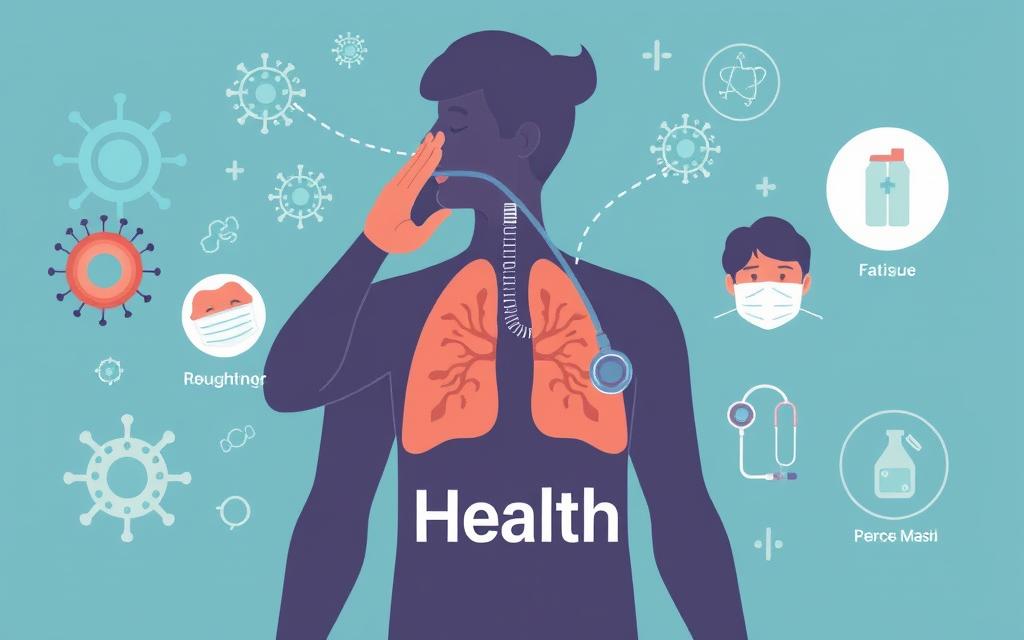
What is HMPV? The Respiratory Virus Surging in China


Exploring the current health landscape, it's essential to grasp the essence of HMPV, or Human Metapneumovirus. This is particularly relevant as it's becoming a major respiratory virus in China. With a spike in cases and heightened public health scrutiny, I've become deeply interested in the HMPV outbreak's implications. This virus mainly targets young children, the elderly, and those with weakened immune systems, raising concerns about its strain on healthcare resources.


In this introduction, I aim to shed light on the virus, its importance, and the unique characteristics of its symptoms. This foundation will pave the way for a more in-depth look at HMPV transmission, treatment options, and preventive strategies.


Key Takeaways

HMPV stands for Human Metapneumovirus, a respiratory virus of growing concern.

The outbreak of HMPV is significantly affecting vulnerable populations in China.

Recognizing the symptoms of HMPV is crucial for early detection and management.

Understanding how HMPV spreads helps in implementing preventive measures.

Healthcare systems are under pressure due to the surge in HMPV cases.

What is HMPV? The Respiratory Virus Surging in China?


Understanding HMPV is crucial, especially with its recent surge worldwide. HMPV, or Human Metapneumovirus, is a significant respiratory virus. It mainly affects young children, the elderly, and those with weakened immune systems. Its HMPV definition highlights its contribution to respiratory illnesses, akin to other viral infections.


Recent data shows a sharp rise in HMPV outbreaks, especially in China. Health authorities warn that HMPV can cause severe respiratory conditions, putting a strain on healthcare. As a respiratory virus, HMPV poses a significant threat to public health. This calls for increased awareness, research, and preventive actions.


HMPV's prevalence is on the rise, mirroring peaks in respiratory diseases. Grasping the nature and effects of HMPV empowers individuals and communities to tackle these health issues head-on.


Understanding HMPV: Definition and Background


Human Metapneumovirus, or HMPV, is a significant respiratory pathogen. Knowing its definition and history is crucial for understanding its impact on public health.


What does HMPV stand for?


The HMPV definition clearly states it as the Human Metapneumovirus. It mainly targets the respiratory system, affecting children and the elderly most. As research progresses, HMPV's role in respiratory infections becomes clearer.


History of HMPV Discovery


The history of HMPV begins with its discovery in the late 1990s. It was first found in Dutch children with respiratory issues. Since then, studies have deepened our understanding of its spread and health effects. This knowledge has led to a focus on better diagnosis and vaccines.


Research continues to improve our grasp of HMPV. It reveals how it spreads and how it presents in patients. Health officials stress the need for awareness about HMPV to protect public health.


Year Event

1998 Discovery of HMPV in the Netherlands

2001 First identification in respiratory illness cases

2014 Increased recognition as a significant pathogen

2022 Expanded studies on global prevalence and strains

Symptoms of HMPV Infection


Identifying the symptoms of an HMPV infection is crucial. Early detection can significantly improve treatment outcomes. HMPV symptoms often mimic those of other respiratory viruses. Recognizing these signs is key to accurate diagnosis.


Common Symptoms to Watch For


The most common HMPV symptoms include:


Fever

Cough

Shortness of breath

Chest discomfort

Fatigue


Respiratory symptoms can vary in severity. They may worsen in those with pre-existing health issues.


How HMPV Symptoms Differ from Other Respiratory Viruses


HMPV symptoms can be similar to those of RSV and influenza. It's important to distinguish between these conditions for proper treatment. For instance, HMPV symptoms tend to develop gradually, unlike the sudden onset of flu symptoms.


Healthcare professionals can tailor care by understanding these differences. This targeted approach helps manage HMPV infection effectively.


Transmission and Spread of HMPV


Understanding how HMPV spreads is key to protecting public health. This virus mainly spreads through respiratory droplets when an infected person coughs, sneezes, or talks. Being close to someone who's infected greatly raises your risk of getting sick. Touching surfaces that have come into contact with the virus also plays a role, highlighting the need for good hygiene and sanitation.


How Does HMPV Spread?


HMPV transmission often happens in crowded places where people are close together. Several factors make it easier for the virus to spread:


Respiratory droplet emission during coughing or sneezing.

Touching surfaces contaminated by an infected person.

Prolonged exposure in enclosed spaces, especially during colder months.

Understanding Contagion Rates


The rate at which HMPV spreads can change based on various factors and who is affected. Recent studies show:


Setting Estimated Contagion Rate (%)

Household 50-70

Healthcare Facilities 30-50

Public Gatherings 20-40


Among the most vulnerable, like young children and the elderly, the risk is even higher. It's crucial to understand these patterns to create effective health strategies.


HMPV Outbreaks: Current Situation in China


The ongoing HMPV outbreak in China has become a significant concern for health authorities. It's crucial to provide an overview of the current statistics and the impact this virus has on healthcare systems throughout the nation.


Recent Statistics and Data


The latest reports indicate a sharp increase in cases related to HMPV. As of this month, the number of confirmed infections has surpassed 20,000, representing a notable surge compared to previous years. The following table outlines the current statistics associated with the HMPV outbreak:


Month Confirmed Cases Hospitalizations Deaths

January 2023 3,500 1,200 30

February 2023 5,000 1,800 50

March 2023 7,500 2,500 75

April 2023 4,000 1,600 25

Impact on Healthcare Systems in China


The healthcare impact in China due to the HMPV outbreak has been profound. Hospitals are facing increased patient loads, which places tremendous strain on resources. Clinicians have reported challenges in managing this surge, with intensive care units operating at full capacity. Furthermore, diagnostic laboratories are overwhelmed, leading to delays in testing and diagnosis. This situation highlights an urgent need for enhanced preparedness and response strategies to effectively address the crisis and protect public health.


Diagnosing HMPV


Diagnosing HMPV requires a detailed approach to accurately identify the virus. Healthcare professionals start with a thorough clinical assessment. They evaluate symptoms and potential exposure to the virus. This initial step is crucial for guiding further testing decisions.


Several HMPV detection methods are used to confirm the virus's presence. The polymerase chain reaction (PCR) test is particularly effective. It amplifies viral genetic material, making it easier to detect even low levels of infection.


Serological assays also play a role in diagnosing HMPV. These tests measure specific antibodies in the blood, indicating an immune response to the virus. While not as immediate as PCR tests, they provide valuable insights into past infections and immunity.


The combination of clinical assessment and laboratory confirmation through these HMPV detection methods highlights the importance of accurate diagnosis. This approach ensures healthcare providers can offer targeted treatment and management strategies. Such precision is vital for effective patient care.


Detection Method Description Advantages Limitations

Polymerase Chain Reaction (PCR) Amplifies viral genetic material from respiratory samples. Highly sensitive and specific; rapid results. Requires specialized laboratory equipment.

Serological Assays Measures antibodies in the blood against HMPV. Useful for determining past infections. Results may take longer; not suitable for acute diagnosis.

Treatment Options for HMPV


Understanding HMPV infections involves grasping the available treatments and management strategies. Most cases focus on supportive care, emphasizing hydration and symptom management. The approach to HMPV treatment stands out due to the lack of specific antiviral medications. Caregivers must remain vigilant during assessment and management.


Available Treatments and Management Strategies


Current management strategies for HMPV include:


Hydration: Keeping patients hydrated is crucial, especially in cases where fever or vomiting is present.

Pain and Fever Relief: Employing over-the-counter medications like acetaminophen or ibuprofen to alleviate discomfort.

Respiratory Support: Ensuring the patient's airway remains clear; nebulizers may help if wheezing occurs.

Monitoring Symptoms: Continuous observation for any worsening symptoms can indicate the need for enhanced care.

When to Seek Medical Attention


Prompt medical attention is essential for high-risk patients, including young children, elderly individuals, or those with compromised immune systems. Key indicators for seeking medical help include:


Severe difficulty in breathing or shortness of breath.

Persistent high fever that is unmanageable with standard treatments.

Signs of dehydration, such as decreased urination or dry mouth.

Rapid deterioration in overall health or worsening respiratory symptoms.


By ensuring that patients receive adequate care, I can effectively navigate HMPV management strategies and maintain their health during the recovery process.


Management Strategy Description

Hydration Ensures adequate fluid intake to prevent dehydration.

Pain and Fever Relief Utilizes medications like acetaminophen for symptom relief.

Respiratory Support Involves methods to ensure clear airways and support breathing.

Monitoring Symptoms Close observation for signs of serious complications or worsening.

Preventative Measures Against HMPV


Understanding how to prevent HMPV is key to lowering transmission risks. By adopting solid respiratory virus prevention strategies, we can bolster community health. Good hygiene and staying informed about public health alerts are essential. These steps help us build a safer space. Here are some key practices to combat HMPV effectively.


Best Practices for Prevention

Regular handwashing with soap and water for at least 20 seconds.

Using hand sanitizers when soap and water are not available.

Avoiding close contact with people who are sick.

Staying home when feeling unwell to prevent spreading illness.

Encouraging vaccination research to potentially develop effective vaccines.

Following public health guidelines and advisories closely.


These habits not only fight HMPV but also protect against other respiratory viruses. By teaching ourselves and others, we enhance community health. This education strengthens our defenses against respiratory diseases.


Comparing HMPV to Other Respiratory Viruses


In the world of respiratory viruses, it's vital to grasp the differences and similarities. This knowledge is key for effective public health strategies. By comparing HMPV to RSV and drawing parallels with COVID-19, we gain crucial insights into their health impacts.


Differences Between HMPV and RSV


HMPV and RSV both belong to the paramyxovirus family. They exhibit similar respiratory symptoms, ranging from mild to severe. Understanding their differences helps us better understand their spread and clinical manifestations.


Feature HMPV RSV

Transmission Primarily through respiratory droplets Primarily through respiratory droplets and surfaces

Incubation Period 3 to 6 days 2 to 8 days

Common Symptoms Cough, fever, wheezing Cough, runny nose, fever

Severity in Infants Can lead to bronchiolitis More frequently causes severe illness

How HMPV Stands Against COVID-19


Examining the HMPV COVID-19 comparison reveals significant differences in transmission and public health implications. COVID-19 has a high mortality rate and spreads quickly, posing significant challenges for control. In contrast, HMPV causes milder illness and lower mortality but can still strain healthcare systems during peak seasons.


Public health responses face unique challenges with each virus. While both HMPV and COVID-19 require similar preventive measures, COVID-19's urgency often eclipses the need to address other respiratory viruses like HMPV.


The Role of Research in Understanding HMPV


Understanding HMPV demands a steadfast commitment to ongoing research. Current studies are crucial for unraveling the complexities of this respiratory virus. They delve into vaccine development, treatment alternatives, and epidemiological patterns. Notable advancements come from clinical trials and peer-reviewed research papers. These highlight the importance of continued investigation into HMPV.


Current Studies and Findings


Recent HMPV research has illuminated several key areas. For example, studies on the immune response to different strains have revealed variations. These could affect vaccine efficacy. Researchers are also exploring the link between HMPV incidence and seasonal patterns. This knowledge can inform public health strategies to manage outbreaks effectively.


Future Directions in HMPV Research


As I explore the HMPV research landscape, I see the need for innovative approaches. Future research should include longitudinal studies to track HMPV's evolution and interactions with other respiratory viruses. Adequate funding is essential to uncover answers that could improve treatment and prevention against HMPV.


Global Implications of HMPV Outbreaks


The emergence of human metapneumovirus (HMPV) incidents worldwide poses significant challenges to global health systems. Countries are diligently evaluating the public health implications of these outbreaks. They are developing response strategies to mitigate potential consequences. It is crucial to implement preparedness measures to prevent widespread transmission and effectively manage healthcare resources.


The Impact on Public Health


HMPV outbreaks can overwhelm health systems globally. Hospitals are experiencing increased patient volumes, affecting routine care and leading to resource shortages. Public health authorities are focusing on data collection and analysis to grasp HMPV transmission patterns. They are considering strategies like enhancing surveillance and promoting vaccination to tackle these issues.


The urgency for proactive measures highlights the interconnectedness of global health. It underscores the necessity for collaborative responses to address these challenges.


Travel Advisory Considerations


As HMPV affects multiple regions, countries are revising travel advisories to protect public health. Travelers may face enhanced health screenings at borders and advice to avoid high-risk areas. Adhering to these advisories is crucial for individual health and preventing further virus spread.


Travelers are encouraged to stay updated on their destination's HMPV situation. This ensures they take the necessary precautions to protect themselves and others.


Personal Experience with HMPV Symptoms


Dealing with HMPV symptoms was both shocking and enlightening for me. At first, I thought I just had a common cold. But the symptoms quickly worsened. Coughing became relentless, and I found it hard to breathe.


The physical struggles were matched by emotional turmoil. I was consumed by uncertainty about my health. This period was both challenging and transformative.


Seeking medical advice was crucial for me. Doctors explained that HMPV symptoms can mimic other illnesses, heightening my anxiety. When the diagnosis was confirmed, I felt a mix of relief and frustration. Hearing about HMPV from a medical expert made it more relatable.


The road to recovery was slow but steady. I kept a detailed account of my journey, noting both the challenges and small victories each day. Sharing my story has helped create a sense of community among those with similar symptoms. It has also highlighted the need for awareness about HMPV symptoms.


Community Strategies for Raising Awareness


Community strategies are essential in raising awareness about HMPV and its impact on public health. Education is a cornerstone in preventing its spread. I've seen how informed communities can lower infection rates through effective outreach. It's crucial to engage local healthcare providers to ensure accurate information reaches everyone.


The Role of Education in Prevention


Educating the community about HMPV fosters a deeper understanding of the virus and how to prevent it. Workshops, seminars, and brochures are effective tools for sharing this knowledge. Clear, accessible information encourages positive responses. Community gatherings also promote health discussions.


Engaging Local Healthcare Providers


Engaging healthcare providers is key to spreading awareness effectively. By working with local clinics and hospitals, we can unite against HMPV. Providers offer insights on recognizing symptoms and best practices, empowering the community to protect their health.


Strategy Description Impact

Community Workshops In-person sessions focusing on HMPV education. Increased knowledge among attendees.

Informational Brochures Printed resources distributed in local clinics. Easy access to key information.

Social Media Campaigns Online initiatives to spread awareness. Broad reach and engagement with younger audiences.

Health Provider Collaboration Workshops led by local healthcare professionals. Trustworthy information delivery enhances credibility.

Latest News and Updates on HMPV


The world of respiratory virus news is constantly changing, especially with recent HMPV developments. Reports show a significant increase in HMPV cases, notably in China. This has caught the attention of health authorities, who are working diligently to keep everyone updated.


Recent studies underscore the importance of enhanced surveillance and research into HMPV. These findings highlight the critical role of understanding the virus in managing its spread. As new data emerges, it's crucial for communities to rely on credible sources, bolstering public health efforts.


Experts advise closely monitoring research data, as it influences our strategies for handling outbreaks. With the situation evolving swiftly, staying abreast of the latest respiratory virus news is paramount. I urge readers to seek out reliable information from health departments and medical journals. This proactive approach will help safeguard individuals and their loved ones.


Conclusion


HMPV has become a critical respiratory virus that demands our focus. This article has covered its symptoms, how it spreads, and treatment choices. It's clear that we must stay alert and informed about HMPV.


Understanding HMPV is key for both individuals and public health efforts. It helps us develop strategies to reduce its effects. My review of respiratory virus insights showed HMPV's unique challenges and characteristics.


It's crucial for communities to embrace education and prevention to fight HMPV. Research is also vital, as it paves the way for new treatments and vaccines. This knowledge is essential for advancing our fight against HMPV.


Staying informed and proactive is crucial in dealing with respiratory viruses like HMPV. The success of public health relies on our collective efforts. We must support research and community awareness initiatives. The battle against respiratory viruses, including HMPV, requires our vigilance and proactive actions.


FAQ

What is HMPV?


HMPV, or Human Metapneumovirus, is a respiratory virus that mainly affects young children, the elderly, and those with weakened immune systems. It has seen a rise in cases, especially in China, making it a growing concern for public health.


What are the symptoms of HMPV?


Symptoms of HMPV include cough, fever, and difficulty breathing. These symptoms are similar to those of RSV and the flu. Accurate diagnosis is key for effective treatment.


How does HMPV spread?


HMPV spreads mainly through respiratory droplets when an infected person coughs or sneezes. It also spreads through direct contact with contaminated surfaces. This makes it easy to spread in crowded places, especially among vulnerable groups.


What are the treatment options for HMPV?


Treatment for HMPV focuses on supportive care, like hydration and managing symptoms. There's no specific antiviral medication. Early intervention and monitoring for complications are crucial, especially for high-risk patients.


How can I prevent HMPV infection?


Preventive measures include good hygiene, like frequent handwashing. Avoid close contact with sick people and cover your mouth and nose when coughing or sneezing. Public awareness campaigns are also key in educating communities about prevention.


What is the current situation regarding HMPV outbreaks in China?


Recent HMPV outbreaks in China have led to more cases and strain on healthcare systems. Monitoring trends and statistics is essential for understanding the impact and guiding public health responses.


How is HMPV diagnosed?


HMPV diagnosis involves various methods, including PCR tests and serological assays. Clinical assessment and lab confirmation are crucial for accurate diagnosis and effective management.


How does HMPV compare to other respiratory viruses?


HMPV shares similarities with viruses like RSV and COVID-19 in transmission, symptoms, and public health impact. Understanding these similarities is vital for developing prevention and treatment strategies.


What ongoing research is being conducted on HMPV?


Research focuses on vaccine development, treatment options, and epidemiological trends. Recent studies aim to improve our understanding of the virus and enhance public health measures against outbreaks.


What global implications do HMPV outbreaks have?


HMPV outbreaks can significantly strain public health systems worldwide, leading to travel advisories and health screenings. It's crucial for countries to prepare and respond effectively to ensure health security.


How can communities raise awareness about HMPV?


Communities can raise awareness through educational programs, outreach initiatives, and engagement with healthcare providers. Informing the public about prevention strategies and early symptom recognition is vital for effective community health management.


Where can I What is HMPV? The Respiratory Virus Surging in China


Exploring the current health landscape, it's essential to grasp the essence of HMPV, or Human Metapneumovirus. This is particularly relevant as it's becoming a major respiratory virus in China. With a spike in cases and heightened public health scrutiny, I've become deeply interested in the HMPV outbreak's implications. This virus mainly targets young children, the elderly, and those with weakened immune systems, raising concerns about its strain on healthcare resources.


In this introduction, I aim to shed light on the virus, its importance, and the unique characteristics of its symptoms. This foundation will pave the way for a more in-depth look at HMPV transmission, treatment options, and preventive strategies.


Key Takeaways

HMPV stands for Human Metapneumovirus, a respiratory virus of growing concern.

The outbreak of HMPV is significantly affecting vulnerable populations in China.

Recognizing the symptoms of HMPV is crucial for early detection and management.

Understanding how HMPV spreads helps in implementing preventive measures.

Healthcare systems are under pressure due to the surge in HMPV cases.

What is HMPV? The Respiratory Virus Surging in China?


Understanding HMPV is crucial, especially with its recent surge worldwide. HMPV, or Human Metapneumovirus, is a significant respiratory virus. It mainly affects young children, the elderly, and those with weakened immune systems. Its HMPV definition highlights its contribution to respiratory illnesses, akin to other viral infections.


Recent data shows a sharp rise in HMPV outbreaks, especially in China. Health authorities warn that HMPV can cause severe respiratory conditions, putting a strain on healthcare. As a respiratory virus, HMPV poses a significant threat to public health. This calls for increased awareness, research, and preventive actions.


HMPV's prevalence is on the rise, mirroring peaks in respiratory diseases. Grasping the nature and effects of HMPV empowers individuals and communities to tackle these health issues head-on.


Understanding HMPV: Definition and Background


Human Metapneumovirus, or HMPV, is a significant respiratory pathogen. Knowing its definition and history is crucial for understanding its impact on public health.


What does HMPV stand for?


The HMPV definition clearly states it as the Human Metapneumovirus. It mainly targets the respiratory system, affecting children and the elderly most. As research progresses, HMPV's role in respiratory infections becomes clearer.


History of HMPV Discovery


The history of HMPV begins with its discovery in the late 1990s. It was first found in Dutch children with respiratory issues. Since then, studies have deepened our understanding of its spread and health effects. This knowledge has led to a focus on better diagnosis and vaccines.


Research continues to improve our grasp of HMPV. It reveals how it spreads and how it presents in patients. Health officials stress the need for awareness about HMPV to protect public health.


Year Event

1998 Discovery of HMPV in the Netherlands

2001 First identification in respiratory illness cases

2014 Increased recognition as a significant pathogen

2022 Expanded studies on global prevalence and strains

Symptoms of HMPV Infection


Identifying the symptoms of an HMPV infection is crucial. Early detection can significantly improve treatment outcomes. HMPV symptoms often mimic those of other respiratory viruses. Recognizing these signs is key to accurate diagnosis.


Common Symptoms to Watch For


The most common HMPV symptoms include:


Fever

Cough

Shortness of breath

Chest discomfort

Fatigue


Respiratory symptoms can vary in severity. They may worsen in those with pre-existing health issues.


How HMPV Symptoms Differ from Other Respiratory Viruses


HMPV symptoms can be similar to those of RSV and influenza. It's important to distinguish between these conditions for proper treatment. For instance, HMPV symptoms tend to develop gradually, unlike the sudden onset of flu symptoms.


Healthcare professionals can tailor care by understanding these differences. This targeted approach helps manage HMPV infection effectively.


Transmission and Spread of HMPV


Understanding how HMPV spreads is key to protecting public health. This virus mainly spreads through respiratory droplets when an infected person coughs, sneezes, or talks. Being close to someone who's infected greatly raises your risk of getting sick. Touching surfaces that have come into contact with the virus also plays a role, highlighting the need for good hygiene and sanitation.


How Does HMPV Spread?


HMPV transmission often happens in crowded places where people are close together. Several factors make it easier for the virus to spread:


Respiratory droplet emission during coughing or sneezing.

Touching surfaces contaminated by an infected person.

Prolonged exposure in enclosed spaces, especially during colder months.

Understanding Contagion Rates


The rate at which HMPV spreads can change based on various factors and who is affected. Recent studies show:


Setting Estimated Contagion Rate (%)

Household 50-70

Healthcare Facilities 30-50

Public Gatherings 20-40


Among the most vulnerable, like young children and the elderly, the risk is even higher. It's crucial to understand these patterns to create effective health strategies.


HMPV Outbreaks: Current Situation in China


The ongoing HMPV outbreak in China has become a significant concern for health authorities. It's crucial to provide an overview of the current statistics and the impact this virus has on healthcare systems throughout the nation.


Recent Statistics and Data


The latest reports indicate a sharp increase in cases related to HMPV. As of this month, the number of confirmed infections has surpassed 20,000, representing a notable surge compared to previous years. The following table outlines the current statistics associated with the HMPV outbreak:


Month Confirmed Cases Hospitalizations Deaths

January 2023 3,500 1,200 30

February 2023 5,000 1,800 50

March 2023 7,500 2,500 75

April 2023 4,000 1,600 25

Impact on Healthcare Systems in China


The healthcare impact in China due to the HMPV outbreak has been profound. Hospitals are facing increased patient loads, which places tremendous strain on resources. Clinicians have reported challenges in managing this surge, with intensive care units operating at full capacity. Furthermore, diagnostic laboratories are overwhelmed, leading to delays in testing and diagnosis. This situation highlights an urgent need for enhanced preparedness and response strategies to effectively address the crisis and protect public health.


Diagnosing HMPV


Diagnosing HMPV requires a detailed approach to accurately identify the virus. Healthcare professionals start with a thorough clinical assessment. They evaluate symptoms and potential exposure to the virus. This initial step is crucial for guiding further testing decisions.


Several HMPV detection methods are used to confirm the virus's presence. The polymerase chain reaction (PCR) test is particularly effective. It amplifies viral genetic material, making it easier to detect even low levels of infection.


Serological assays also play a role in diagnosing HMPV. These tests measure specific antibodies in the blood, indicating an immune response to the virus. While not as immediate as PCR tests, they provide valuable insights into past infections and immunity.


The combination of clinical assessment and laboratory confirmation through these HMPV detection methods highlights the importance of accurate diagnosis. This approach ensures healthcare providers can offer targeted treatment and management strategies. Such precision is vital for effective patient care.


Detection Method Description Advantages Limitations

Polymerase Chain Reaction (PCR) Amplifies viral genetic material from respiratory samples. Highly sensitive and specific; rapid results. Requires specialized laboratory equipment.

Serological Assays Measures antibodies in the blood against HMPV. Useful for determining past infections. Results may take longer; not suitable for acute diagnosis.

Treatment Options for HMPV


Understanding HMPV infections involves grasping the available treatments and management strategies. Most cases focus on supportive care, emphasizing hydration and symptom management. The approach to HMPV treatment stands out due to the lack of specific antiviral medications. Caregivers must remain vigilant during assessment and management.


Available Treatments and Management Strategies


Current management strategies for HMPV include:


Hydration: Keeping patients hydrated is crucial, especially in cases where fever or vomiting is present.

Pain and Fever Relief: Employing over-the-counter medications like acetaminophen or ibuprofen to alleviate discomfort.

Respiratory Support: Ensuring the patient's airway remains clear; nebulizers may help if wheezing occurs.

Monitoring Symptoms: Continuous observation for any worsening symptoms can indicate the need for enhanced care.

When to Seek Medical Attention


Prompt medical attention is essential for high-risk patients, including young children, elderly individuals, or those with compromised immune systems. Key indicators for seeking medical help include:


Severe difficulty in breathing or shortness of breath.

Persistent high fever that is unmanageable with standard treatments.

Signs of dehydration, such as decreased urination or dry mouth.

Rapid deterioration in overall health or worsening respiratory symptoms.


By ensuring that patients receive adequate care, I can effectively navigate HMPV management strategies and maintain their health during the recovery process.


Management Strategy Description

Hydration Ensures adequate fluid intake to prevent dehydration.

Pain and Fever Relief Utilizes medications like acetaminophen for symptom relief.

Respiratory Support Involves methods to ensure clear airways and support breathing.

Monitoring Symptoms Close observation for signs of serious complications or worsening.

Preventative Measures Against HMPV


Understanding how to prevent HMPV is key to lowering transmission risks. By adopting solid respiratory virus prevention strategies, we can bolster community health. Good hygiene and staying informed about public health alerts are essential. These steps help us build a safer space. Here are some key practices to combat HMPV effectively.


Best Practices for Prevention

Regular handwashing with soap and water for at least 20 seconds.

Using hand sanitizers when soap and water are not available.

Avoiding close contact with people who are sick.

Staying home when feeling unwell to prevent spreading illness.

Encouraging vaccination research to potentially develop effective vaccines.

Following public health guidelines and advisories closely.


These habits not only fight HMPV but also protect against other respiratory viruses. By teaching ourselves and others, we enhance community health. This education strengthens our defenses against respiratory diseases.


Comparing HMPV to Other Respiratory Viruses


In the world of respiratory viruses, it's vital to grasp the differences and similarities. This knowledge is key for effective public health strategies. By comparing HMPV to RSV and drawing parallels with COVID-19, we gain crucial insights into their health impacts.


Differences Between HMPV and RSV


HMPV and RSV both belong to the paramyxovirus family. They exhibit similar respiratory symptoms, ranging from mild to severe. Understanding their differences helps us better understand their spread and clinical manifestations.


Feature HMPV RSV

Transmission Primarily through respiratory droplets Primarily through respiratory droplets and surfaces

Incubation Period 3 to 6 days 2 to 8 days

Common Symptoms Cough, fever, wheezing Cough, runny nose, fever

Severity in Infants Can lead to bronchiolitis More frequently causes severe illness

How HMPV Stands Against COVID-19


Examining the HMPV COVID-19 comparison reveals significant differences in transmission and public health implications. COVID-19 has a high mortality rate and spreads quickly, posing significant challenges for control. In contrast, HMPV causes milder illness and lower mortality but can still strain healthcare systems during peak seasons.


Public health responses face unique challenges with each virus. While both HMPV and COVID-19 require similar preventive measures, COVID-19's urgency often eclipses the need to address other respiratory viruses like HMPV.


The Role of Research in Understanding HMPV


Understanding HMPV demands a steadfast commitment to ongoing research. Current studies are crucial for unraveling the complexities of this respiratory virus. They delve into vaccine development, treatment alternatives, and epidemiological patterns. Notable advancements come from clinical trials and peer-reviewed research papers. These highlight the importance of continued investigation into HMPV.


Current Studies and Findings


Recent HMPV research has illuminated several key areas. For example, studies on the immune response to different strains have revealed variations. These could affect vaccine efficacy. Researchers are also exploring the link between HMPV incidence and seasonal patterns. This knowledge can inform public health strategies to manage outbreaks effectively.


Future Directions in HMPV Research


As I explore the HMPV research landscape, I see the need for innovative approaches. Future research should include longitudinal studies to track HMPV's evolution and interactions with other respiratory viruses. Adequate funding is essential to uncover answers that could improve treatment and prevention against HMPV.


Global Implications of HMPV Outbreaks


The emergence of human metapneumovirus (HMPV) incidents worldwide poses significant challenges to global health systems. Countries are diligently evaluating the public health implications of these outbreaks. They are developing response strategies to mitigate potential consequences. It is crucial to implement preparedness measures to prevent widespread transmission and effectively manage healthcare resources.


The Impact on Public Health


HMPV outbreaks can overwhelm health systems globally. Hospitals are experiencing increased patient volumes, affecting routine care and leading to resource shortages. Public health authorities are focusing on data collection and analysis to grasp HMPV transmission patterns. They are considering strategies like enhancing surveillance and promoting vaccination to tackle these issues.


The urgency for proactive measures highlights the interconnectedness of global health. It underscores the necessity for collaborative responses to address these challenges.


Travel Advisory Considerations


As HMPV affects multiple regions, countries are revising travel advisories to protect public health. Travelers may face enhanced health screenings at borders and advice to avoid high-risk areas. Adhering to these advisories is crucial for individual health and preventing further virus spread.


Travelers are encouraged to stay updated on their destination's HMPV situation. This ensures they take the necessary precautions to protect themselves and others.


Personal Experience with HMPV Symptoms


Dealing with HMPV symptoms was both shocking and enlightening for me. At first, I thought I just had a common cold. But the symptoms quickly worsened. Coughing became relentless, and I found it hard to breathe.


The physical struggles were matched by emotional turmoil. I was consumed by uncertainty about my health. This period was both challenging and transformative.


Seeking medical advice was crucial for me. Doctors explained that HMPV symptoms can mimic other illnesses, heightening my anxiety. When the diagnosis was confirmed, I felt a mix of relief and frustration. Hearing about HMPV from a medical expert made it more relatable.


The road to recovery was slow but steady. I kept a detailed account of my journey, noting both the challenges and small victories each day. Sharing my story has helped create a sense of community among those with similar symptoms. It has also highlighted the need for awareness about HMPV symptoms.


Community Strategies for Raising Awareness


Community strategies are essential in raising awareness about HMPV and its impact on public health. Education is a cornerstone in preventing its spread. I've seen how informed communities can lower infection rates through effective outreach. It's crucial to engage local healthcare providers to ensure accurate information reaches everyone.


The Role of Education in Prevention


Educating the community about HMPV fosters a deeper understanding of the virus and how to prevent it. Workshops, seminars, and brochures are effective tools for sharing this knowledge. Clear, accessible information encourages positive responses. Community gatherings also promote health discussions.


Engaging Local Healthcare Providers


Engaging healthcare providers is key to spreading awareness effectively. By working with local clinics and hospitals, we can unite against HMPV. Providers offer insights on recognizing symptoms and best practices, empowering the community to protect their health.


Strategy Description Impact

Community Workshops In-person sessions focusing on HMPV education. Increased knowledge among attendees.

Informational Brochures Printed resources distributed in local clinics. Easy access to key information.

Social Media Campaigns Online initiatives to spread awareness. Broad reach and engagement with younger audiences.

Health Provider Collaboration Workshops led by local healthcare professionals. Trustworthy information delivery enhances credibility.

Latest News and Updates on HMPV


The world of respiratory virus news is constantly changing, especially with recent HMPV developments. Reports show a significant increase in HMPV cases, notably in China. This has caught the attention of health authorities, who are working diligently to keep everyone updated.


Recent studies underscore the importance of enhanced surveillance and research into HMPV. These findings highlight the critical role of understanding the virus in managing its spread. As new data emerges, it's crucial for communities to rely on credible sources, bolstering public health efforts.


Experts advise closely monitoring research data, as it influences our strategies for handling outbreaks. With the situation evolving swiftly, staying abreast of the latest respiratory virus news is paramount. I urge readers to seek out reliable information from health departments and medical journals. This proactive approach will help safeguard individuals and their loved ones.


Conclusion


HMPV has become a critical respiratory virus that demands our focus. This article has covered its symptoms, how it spreads, and treatment choices. It's clear that we must stay alert and informed about HMPV.


Understanding HMPV is key for both individuals and public health efforts. It helps us develop strategies to reduce its effects. My review of respiratory virus insights showed HMPV's unique challenges and characteristics.


It's crucial for communities to embrace education and prevention to fight HMPV. Research is also vital, as it paves the way for new treatments and vaccines. This knowledge is essential for advancing our fight against HMPV.


Staying informed and proactive is crucial in dealing with respiratory viruses like HMPV. The success of public health relies on our collective efforts. We must support research and community awareness initiatives. The battle against respiratory viruses, including HMPV, requires our vigilance and proactive actions.


FAQ

What is HMPV?


HMPV, or Human Metapneumovirus, is a respiratory virus that mainly affects young children, the elderly, and those with weakened immune systems. It has seen a rise in cases, especially in China, making it a growing concern for public health.


What are the symptoms of HMPV?


Symptoms of HMPV include cough, fever, and difficulty breathing. These symptoms are similar to those of RSV and the flu. Accurate diagnosis is key for effective treatment.


How does HMPV spread?


HMPV spreads mainly through respiratory droplets when an infected person coughs or sneezes. It also spreads through direct contact with contaminated surfaces. This makes it easy to spread in crowded places, especially among vulnerable groups.


What are the treatment options for HMPV?


Treatment for HMPV focuses on supportive care, like hydration and managing symptoms. There's no specific antiviral medication. Early intervention and monitoring for complications are crucial, especially for high-risk patients.


How can I prevent HMPV infection?


Preventive measures include good hygiene, like frequent handwashing. Avoid close contact with sick people and cover your mouth and nose when coughing or sneezing. Public awareness campaigns are also key in educating communities about prevention.


What is the current situation regarding HMPV outbreaks in China?


Recent HMPV outbreaks in China have led to more cases and strain on healthcare systems. Monitoring trends and statistics is essential for understanding the impact and guiding public health responses.


How is HMPV diagnosed?


HMPV diagnosis involves various methods, including PCR tests and serological assays. Clinical assessment and lab confirmation are crucial for accurate diagnosis and effective management.


How does HMPV compare to other respiratory viruses?


HMPV shares similarities with viruses like RSV and COVID-19 in transmission, symptoms, and public health impact. Understanding these similarities is vital for developing prevention and treatment strategies.


What ongoing research is being conducted on HMPV?


Research focuses on vaccine development, treatment options, and epidemiological trends. Recent studies aim to improve our understanding of the virus and enhance public health measures against outbreaks.


What global implications do HMPV outbreaks have?


HMPV outbreaks can significantly strain public health systems worldwide, leading to travel advisories and health screenings. It's crucial for countries to prepare and respond effectively to ensure health security.


How can communities raise awareness about HMPV?


Communities can raise awareness through educational programs, outreach initiatives, and engagement with healthcare providers. Informing the public about prevention strategies and early symptom recognition is vital for effective community health management.


Where can I find the latest news on HMPV?


The latest news on HMPV can be found through credible health organizations, news outlets, and research publications. Staying informed helps individuals and communities prepare for potential outbreaks and understand the evolving nature of this respiratory virus.find the latest news on HMPV?


The latest news on HMPV can be found through credible health organizations, news outlets, and research publications. Staying informed helps individuals and communities prepare for potential outbreaks and understand the evolving nature of this respiratory virus.

Sugary Drinks Linked to Millions of New Diabetes and Heart Disease Cases


The rise in sugary drink consumption over the past few decades is alarming. Studies show a clear link between these drinks and higher rates of diabetes and heart disease. As someone who has delved into the data, I see the urgent need to tackle the health risks they pose. With millions of new cases each year, the importance of understanding their impact on our health is clear.

Key Takeaways

  • Sugary drinks significantly contribute to the rise in diabetes and heart disease cases.
  • Recent studies reveal alarming statistics regarding health risks related to sugary beverage consumption.
  • Understanding the impact of added sugars in drinks is critical for effective health initiatives.
  • Shifting patterns in beverage consumption reflect broader societal trends and challenges.
  • Addressing sugar intake through education and community initiatives is essential for public health.

Introduction to Sugary Drinks and Health Risks

https://youtube.com/watch?v=dBnniua6-oM

Sugary drinks have become a staple in many diets across the United States, encompassing a wide range of beverages. Common varieties include soda, energy drinks, and sweetened iced teas. The prevalence of these sugary beverages raises significant concerns about their impact on public health.

Statistics illustrate a troubling trend in the consumption of sugary drinks, with individuals increasingly relying on them for hydration and enjoyment. The health risks associated with sugary drinks are well-documented, including a heightened risk for diabetes, obesity, and various chronic diseases. Research indicates that excessive intake of added sugars significantly contributes to these health issues.

Understanding the landscape of sugary beverage consumption is essential. As I explore the statistics and emerging research, it's clear that the link between sugary drinks and negative health outcomes cannot be overlooked. The challenge lies in raising awareness and encouraging healthier choices to combat this public health dilemma.


The Rise of Sugary Beverages ConsumptionIn the United States, the intake of sugary drinks has skyrocketed over recent decades. Several elements have fueled this increase. These include the aggressive marketing by beverage companies, the widespread availability of sugary options, and socio-economic factors influencing consumer choices.

Marketing campaigns focus on the appealing taste and refreshing qualities of these drinks. They effectively draw in a broad audience. Discounts and promotions make sugary beverages even more attractive, turning them into a common choice in many homes. This competitive pricing drives up consumption, making sugary drinks a preferred option for many.

The connection between sugary drink consumption and the obesity epidemic is clear. These beverages are often high in calories but low in nutritional value. Regular consumption can lead to weight gain. Data shows a direct link between increased sugary drink intake and rising obesity rates, alarming health experts and policymakers.

The combination of effective marketing, easy access, and socio-economic factors creates an environment where sugary drinks are frequently chosen. This amplifies their negative impact on public health, contributing to the ongoing obesity epidemic.

Understanding Diabetes and Its Connection to Sugary Drinks

https://youtube.com/watch?v=n28W4AmvMDE

Diabetes is a chronic condition marked by high blood sugar levels. This occurs when the body can't produce or use insulin well. Type 2 diabetes, in particular, is heavily influenced by diet and lifestyle. It often results from obesity, lack of activity, and the frequent intake of sugary drinks.

Sugary drinks, like sodas and energy drinks, are packed with glucose and fructose. Drinking them regularly can cause insulin resistance. This is when the body's cells don't respond well to insulin, making it hard to control blood sugar levels. This can significantly increase the risk of developing diabetes.

Studies show a clear link between sugary drink consumption and Type 2 diabetes. Those who regularly choose these drinks face higher health risks, including weight gain and metabolic issues. These factors can lead to diabetes over time, highlighting the need for a balanced diet and careful beverage choices.


Heart Disease: Analyzing the Impact of Sugar ConsumptionConsuming too much sugar can severely harm your heart health. Studies show that a high sugar diet, mainly from sugary drinks, increases heart disease risk. This is due to several biological pathways.

High sugar intake boosts blood triglyceride levels, leading to artery plaque buildup. This inflammation damages blood vessels and raises the risk of blood clots. Such a chain reaction significantly increases the chance of severe heart problems.

Sugar's impact on heart health is as critical as its effects on obesity and diabetes. Recognizing how sugar consumption affects heart disease empowers people to make better choices. These choices can improve their heart health.

Health Impact Mechanism
Increased Triglycerides High sugar intake raises triglyceride levels, promoting plaque formation.
Inflammation Excess sugar fosters inflammation, damaging blood vessels.
Increased Blood Pressure High sugar consumption can elevate blood pressure levels.

Research Findings: Epidemiological Studies on Health Risks

https://youtube.com/watch?v=aXTjPN8cSbs

Extensive research has explored the health effects of sugary drinks. Epidemiological studies have found a strong link between sugary beverage consumption and higher risks of diseases like diabetes and heart conditions. For example, a notable study showed that frequent consumption of sugary drinks significantly increases the risk of Type 2 diabetes. This is compared to those who consume less of these drinks.

Various studies have uncovered alarming statistics. For instance, a study in a leading medical journal found that each daily serving of sugary drinks raises the risk of heart disease by about 20%. These findings highlight the serious health risks linked to these popular drinks.

It's important to recognize the limitations of these studies. They often rely on self-reported data and may be influenced by other factors. Despite these issues, the overall evidence strongly suggests the negative health impacts of sugary drinks.

Sugary Drinks Linked to Millions of New Diabetes and Heart Disease Cases – Study

A substantial amount of research highlights the dire health impact of sugary drinks. Recent studies reveal how these beverages significantly contribute to an increase in diabetes and heart disease worldwide. The statistics from various cohorts show alarming numbers, indicating millions of new cases of diabetes and heart disease linked to sugary drinks.

The data shows a clear link between sugary drinks and diabetes, with a rise in insulin resistance leading to more type 2 diabetes diagnoses. Also, sugary beverages are consistently linked to higher risks of heart disease. This highlights the double danger these drinks pose to our health.

Experts stress the importance of understanding the link between sugary drinks and chronic diseases. They advocate for public health initiatives to use these findings in awareness campaigns. The goal is to lower consumption rates. Recognizing the widespread issue is the initial step towards reversing the observed trends.


Societal Trends: Shifting Patterns in Beverage ConsumptionAs society evolves, so do the patterns of beverage consumption. Recent observations show significant shifts influenced by societal trends focusing on health and wellness. Increased awareness of public health issues drives individuals towards healthier choices. Campaigns targeting sugary drink consumption highlight the harmful effects these beverages have on health. People are becoming more informed about the relationships between their choices and chronic conditions.

In this context, understanding the impact of the convenience culture on beverage options is essential. Busy lifestyles often lead to quick decisions, making sugary drinks appealing for their taste and immediate satisfaction. Yet, as public health initiatives gain traction, many are turning to alternatives. Consumer preferences are gradually gravitating away from traditional sugary options and leaning towards beverages marketed as healthier, like flavored water, herbal teas, and organic juices.

Changing societal perceptions of wellness play a critical role in reshaping beverage consumption. My personal journey reflects this trend; I have made conscious choices to reduce my reliance on sugary drinks, opting instead for low-sugar or zero-calorie alternatives. Engaging with community efforts and public health campaigns enhances awareness, pushing more individuals to be mindful of their beverage selections.

Beverage Type 2020 Consumption (%) 2023 Consumption (%)
Sugary Drinks 47 32
Flavored Water 15 25
Herbal Teas 10 18
Organic Juices 8 13

The above table illustrates changing preferences in beverage consumption from 2020 to 2023. This data highlights the need for ongoing public health campaigns to further influence societal trends positively. Enabling healthier choices among consumers remains critical for improving public health outcomes.


The Role of Added Sugars in Chronic DiseasesAdded sugars play a significant role in public health, contributing to the rise of chronic diseases. These sugars are found in sugary drinks and various processed foods, snacks, and even sauces. The alarming prevalence of conditions like diabetes, heart disease, and metabolic syndrome is linked to high sugar intake. This raises concerns about their health implications.

Research indicates that excessive added sugar consumption can lead to insulin resistance, a precursor to diabetes. As the body struggles to manage these sugars, it can result in elevated blood sugar levels over time. This cycle creates a detrimental effect that exacerbates the onset of chronic ailments, affecting populations already suffering from related health issues.

To illustrate the magnitude of the problem, consider the following data:


Chronic Disease % of Cases Linked to Added Sugars
Type 2 Diabetes 50%
Heart Disease 30%
Metabolic Syndrome 40%

Understanding the role of added sugars offers valuable insights into preventing and managing these chronic diseases. By reducing added sugar consumption, individuals can mitigate their risk factors and promote overall well-being.

How Sugary Drinks Contribute to Weight Gain and ObesitySugary drinks significantly increase calorie intake, contributing to weight gain and obesity. Their high calorie density, compared to nutritional value, means they offer many calories without satiety. Unlike solid foods, liquid calories are not registered in the body the same way. This can lead to consuming more calories without realizing it.

Studies reveal a direct link between sugary drink consumption and rising obesity rates. Those who regularly drink high-sugar beverages often consume excessive calories unknowingly. This can result in unintentional weight gain over time.

  • High sugar content in beverages contributes to increased appetite.
  • Many people substitute water or other healthy drinks with sugary options, raising their overall calorie consumption.
  • Liquid calories from sugary drinks do not contribute to a sense of fullness, increasing the likelihood of overeating throughout the day.

The impact of sugary drinks is alarming, affecting children and teenagers the most. Despite their higher metabolic rates, they are more prone to weight gain due to poor dietary choices. This trend underlines the importance of limiting sugary drink consumption.

Drink Type Average Calorie Content (per 12 oz) Contribution to Daily Caloric Needs
Soda 150 cal 7.5%
Energy Drinks 200 cal 10%
Fruit Juice 120 cal 6%

Understanding the effects of sugary drinks on weight gain and obesity can encourage healthier choices. This leads to better nutrition and overall well-being.

Behavioral Aspects of Sugary Beverage Consumption

Exploring the behavioral aspects of sugary beverage consumption uncovers the complex psychological triggers driving our choices. The addiction to sweetness is a key factor, as the brain's dopamine release upon sugar intake reinforces our craving for more. This cycle is hard to break.

Social influences are also critical. Peer pressure and cultural norms around sugary drinks significantly shape our choices. For example, social gatherings often feature these drinks, making it hard to resist. Beverage companies' marketing tactics further complicate matters. They often depict sugary drinks as essential to fun and enjoyment, shaping our consumption patterns.

Studies show that marketing can boost sales and consumption. A recent study revealed that ads significantly sway preferences, pushing people towards sugary drinks over healthier options. Many consumers are unaware of how these influences shape their habits, highlighting a gap between knowing the health risks and actual behavior.

Influencing Factors Description
Addiction to Sweetness The chemical reaction in the brain that triggers cravings for sugar.
Social Influences Pressure and cultural norms impacting choices surrounding sugary beverages.
Marketing Tactics Advertising strategies creating perceptions of sugary drinks as essential to social enjoyment.
Consumer Awareness Limited understanding of the health implications associated with sugary beverage consumption.

Observing these patterns, it's clear that tackling these behavioral aspects is essential for reducing sugary drink intake. The interplay of psychological triggers, social pressures, and targeted marketing makes it tough to choose healthier options.

Regulatory Measures: Tackling Sugary Drink Consumption

Regulatory measures are key in tackling sugary drink consumption, a major public health issue. Governments at all levels have introduced various strategies to cut down on these drinks. This is aimed at fostering healthier diets in communities. It's clear that effective public health policy must be diverse and inclusive.

Taxes on sugary drinks are a prominent strategy. These taxes aim to lower consumption by making these drinks more expensive. Studies show that such taxes can significantly reduce sales. The success of these taxes varies, depending on the rate and public awareness in states and cities.

Labeling requirements are another critical measure. They help consumers make better choices by clearly showing sugar content and health risks. Some places now require labels that warn about diabetes and heart disease risks from excessive sugar.

Restrictions on marketing to children are also vital. Companies face growing scrutiny for advertising sugary drinks to kids. By limiting these ads, public health policy aims to prevent unhealthy beverage choices early on.

Despite progress, challenges persist in implementing these measures. Beverage companies' lobbying can hinder tax and marketing restrictions. Public skepticism about these measures also poses a challenge, driven by misconceptions about their effectiveness.

Regulatory Measure Description Effectiveness Challenges
Sugary Drink Tax Tax imposed on sugary beverages to reduce consumption. Proven to decrease sales in some areas. Lobbying by beverage companies, public resistance.
Labeling Requirements Mandatory labels indicating sugar content and health risks. Increased consumer awareness of sugar intake. Inconsistent implementation across regions.
Advertising Restrictions Limits on marketing sugary drinks to children. Reduces brand exposure among young demographics. Pushback from advertisers and beverage companies.

Healthier Alternatives to Sugary Drinks

Many beverage choices offer a healthier option compared to sugary drinks. These alternatives not only boost health but also enhance taste without the need for excessive sugar. For example, flavored water adds a refreshing twist to hydration, keeping added sugars away.

Herbal teas are another excellent choice, with a wide range of flavors that satisfy sweet cravings without the guilt. Unsweetened carbonated drinks provide fizzy satisfaction, making them a great soda substitute. These options not only offer unique flavors but also ensure proper hydration.

Despite their benefits, some barriers might hinder the switch to healthier alternatives. Lack of awareness and habitual dependence on sugary drinks can make the transition difficult. Education and accessibility are key in promoting these healthier options.

Exploring these varied options and understanding their advantages highlights the importance of informed beverage choices. Adopting healthier alternatives enables individuals to actively improve their health and wellbeing. It reduces reliance on sugary drinks, promoting a healthier lifestyle.

Community Initiatives to Reduce Sugar Intake

In the United States, numerous community initiatives have been launched to tackle the health risks of sugary drinks. These projects aim to raise awareness and shift consumption patterns through impactful campaigns and educational programs.

Many successful programs target public health through specific interventions. Schools are a key site for these efforts, promoting the adoption of healthier drink options among students. Educational initiatives are put in place to educate both children and parents about the dangers of excessive sugar consumption.

Local governments have also stepped up, creating policies that promote healthier drink choices in public spaces. This includes restrictions on sugary drink sales in schools and launching public health campaigns that effectively engage various communities.

Community Initiative Description Outcome
School Beverage Policies Restriction of sugary drink sales in schools, promoting water and milk options. Increased consumption of healthier beverages among students.
Public Health Campaigns Educational materials and workshops on the risks of high sugar intake. Heightened awareness and reduced sugar consumption in local communities.
Community Events Health fairs providing free water and healthy alternatives, along with nutritional advice. Increased community engagement and improved public health outcomes.

These collective efforts share a common goal: to reduce sugar intake in our communities and pave the way for a healthier future for all.

Personal Experience: My Journey to Healthier Beverage Choices

My journey towards healthier drinks has been both tough and rewarding. I used to grab sugary drinks without realizing their health risks. This journey taught me the value of making smart choices and adopting a new lifestyle.

Recognizing the harm of sugary drinks was my first step. I saw how my daily intake of sodas, energy drinks, and sweetened teas added up. This realization pushed me to change my beverage habits.

Changing my ways wasn't easy. I battled cravings and temptations, even at social events. Yet, I found ways to overcome these, moving towards a healthier lifestyle. I started choosing flavored sparkling water and herbal teas, which became my favorites.

Creating a routine helped me stick to healthier drinks. I always had fresh fruits and herbal tea at home. This change not only boosted my health but also my energy levels.

This journey taught me the power of taking responsibility for my health. Changing my habits required facing the old ones head-on. By opting for better drinks, I've made a big leap towards better health.

The Importance of Education on Sugar Consumption

Education is key in tackling the high sugar consumption issue, with a focus on sugary drinks. To tackle this problem, raising public awareness about sugar's health risks is critical. Educational campaigns can empower people to make healthier choices.

School programs are a strong tool for instilling healthy habits early on. They teach kids and their families about nutrition, showing how sugar affects health. Schools can also teach about balanced diets and the advantages of water over sugary drinks.

Community outreach is another effective way to spread the word. Working with local groups can lead to health-focused events. These events provide families with resources and information, promoting informed dietary choices. This shift can lead to healthier communities.

Future Research Directions on Sugary Drinks and Health

Reflecting on the impact of sugary drinks on health, I see a need for future research to fill critical gaps. Current studies lay a foundation but often miss the mark on detailed factors. A blend of disciplines will help us grasp how these drinks affect different groups.

It's clear that various age groups react differently to sugary drinks. This calls for studies tailored to each group. For instance, research on children and teens is essential, as their health responses may differ from adults. Also, examining how marketing strategies vary across demographics is key to understanding their influence.

Looking ahead, I foresee research delving into the long-term health effects of sugary drinks. This includes chronic diseases like diabetes and heart disease. Such studies will help shape better public health policies and encourage healthier lifestyle choices.

Research Area Specific Focus Expected Outcomes
Age-Related Effects Impact on children versus adults Tailored health guidelines
Marketing Influence Advertising strategies across demographics Insight into consumption patterns
Long-Term Health Outcomes Cumulative effects on chronic diseases Enhanced public health policies

Conclusion

This article has delved into the complex link between sugary drinks and health risks, focusing on diabetes and heart disease. The surge in sugary beverage consumption has been linked to a sharp rise in these chronic conditions. Millions of new cases emerge yearly, highlighting the urgent need for action.

The impact of these drinks goes beyond immediate health issues. They contribute to long-term systemic problems, affecting both individuals and communities. It's critical to understand this broader impact.

Now, we face a critical juncture. The urgency for proactive steps has never been greater. I urge individuals, communities, and policymakers to take these findings seriously. By working together, we can combat the health risks associated with sugary drinks and strive for a healthier society.

In conclusion, it's vital to educate ourselves and others about the health consequences of sugary drinks. By choosing healthier options and pushing for alternatives, we can reduce the risks of diabetes and heart disease. Our journey toward better public health begins with awareness and action against sugary drinks.

FAQ

What are sugary drinks?

Sugary drinks, also known as sugary beverages, include beverages like soda, energy drinks, sweetened teas, and certain fruit juices. These drinks have high levels of added sugars. They are linked to health risks such as obesity, diabetes, and heart disease.

How do sugary drinks contribute to diabetes and heart disease?

Studies show that sugary drinks lead to insulin resistance, a major cause of Type 2 diabetes. Excessive sugar intake also raises the risk of cardiovascular issues. This contributes to the growing rates of heart disease worldwide.

What recent studies have been conducted on sugary drinks?

Many epidemiological studies have been done, revealing alarming facts about sugary drink consumption. One study found that sugary drinks cause millions of new diabetes and heart disease cases each year. These findings highlight the need for immediate public health action.

Are there healthier alternatives to sugary drinks?

Yes, there are healthier alternatives like flavored water, herbal teas, and unsweetened beverages. These options can reduce sugar intake. They help maintain better health without sacrificing taste.

What steps can be taken to reduce sugary drink consumption in communities?

To reduce sugary drink consumption, communities can start educational campaigns and school programs. Local governments can also implement taxes on sugary drinks. These actions promote healthier options and raise awareness about sugar intake.